When Culture Collide Comfortably: Fusion Foods That Feel Like Home
January 22, 2026
Food is not just nourishing meals, but for many, it's a memory, identity, and healing served on a plate. When I started cooking, I experimented with various dish recipes, starting with the very easy and everyday breakfast of Poha and progressing to Sunday lunch specials like Biryani. I tried creating a fusion of my favourite flavours and incorporating them into various cuisines.
Fusion cuisine is often misunderstood as trend-driven or experimental, but at its heart, this is deeply personal. When a person tastes a cuisine, he generally intends to embed the memory, yet with the available ingredients and regional taste, it becomes limited. However, tries to combine two dishes and make a new Fusion food, it's personal taste meeting global cuisine.
It is what happens when two culinary worlds meet, not to compete, but to coexist. For cooks shaped by migration, mixed heritage, or life between cultures, fusion food becomes a way to feel whole.
Fusion Food: More Than A Mix; A Personal Taste Fix
Fusion cooking often emerges from lived experience and becomes a language, one that speaks of belonging rather than borders. When a cook grows up eating one cuisine at home and another outside, blending flavours becomes instinctive rather than intentional.
It’s not about breaking rules, it’s about creating comfort. Another factor would be the ingredients; previously, getting the same ingredients was a task, but now that they are globally available. Yet the comfort of local food and unintentional inclusion in international foods becomes natural. Combining cuisines allows cooks to:
Honour multiple identities at once, through different ingredients, their essence and ideologies.
Preserve tradition while adapting to new surroundings, merging comfort and tradition
Mixing familiar ingredients in foreign cuisines heals the souls’ nostalgia and homesickness through familiar flavours
Creating fusion food tells stories that words sometimes cannot convey
Healing Through the Act of Blending
Cooking is an art, and many chefs and home cooks would agree that fusion cooking is therapeutic. Reworking a traditional dish with new techniques or ingredients can feel like reclaiming control, especially for those who felt “in-between” cultures growing up.
Cooking butter chicken one day and pasta the next can feel fragmented. But when those worlds meet in a single dish, it creates emotional continuity. One day it is asian bao and the next day vada pav, both have different flavours but are still your favourites. Here fusion makes way; it doesn’t erase tradition; it carries it forward, reshaped by experience.
Two Plates, Two Cultures: Fusion Foods That Have My Heart
Butter Chicken Lasagna: Layers of Memory
Butter Chicken Lasagna is more than a mash-up; it’s a metaphor. The slow-simmered richness of Indian butter chicken replaces classic ragù, layered between sheets of pasta and creamy béchamel. For many South Asian cooks raised in Western kitchens, this dish represents the merging of festive home flavours with everyday comfort food. I first tried it at a restaurant and tried it at home, as I found it interesting and delicious with the Italian fusion in comfort food. It’s indulgent, familiar, and deeply comforting, like family dinners reinvented for a new life.
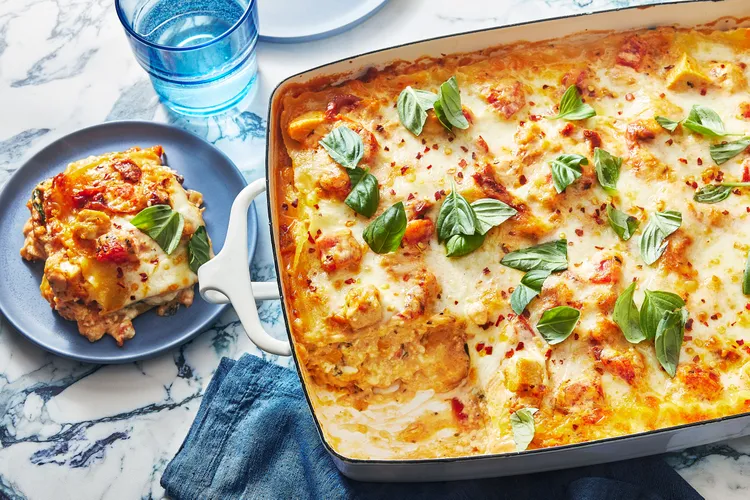
Ingredients:
- For the Butter Chicken Filling
- Boneless chicken, cooked and shredded
- Butter
- Onion, finely chopped
- Ginger-garlic paste
- Tomato puree
- Fresh cream
- Garam masala
- Kashmiri red chilli powder
- Kasuri methi (dried fenugreek)
- Salt to taste
- For the Lasagna
- Lasagna sheets
- White sauce (béchamel, freshly made or brought)
- Mozzarella cheese, grated
- Parmesan cheese, grated
Method:
- Prepare the butter chicken: Heat butter in a pan, and sauté onions until soft. Add ginger-garlic paste, tomato puree, spices, salt, and cook until rich. Stir in cream, kasuri methi, and chicken. Simmer gently. (If you let the onion caramelise a little, it would give the whole dish a smoky and caramelised taste. Also, don't forget the kasuri methi as that adds another essence to the dish.)
- Assemble: In a baking dish, layer white sauce, lasagna sheets, butter chicken, and cheese. Repeat layers. (You can make the white sauce or get the ready-made; make sure to get fresh cheese to enhance the flavours)
- Bake: Finish with cheese on top. Bake at 180°C for 30–35 minutes until bubbly and golden. Rest before serving.
Paneer Pesto Techa Bao: Soft, Spiced, and Personal
Paneer Pesto Thecha Bao is a quiet yet powerful fusion. Pillowy East Asian bao buns cradle spiced, pan-seared paneer coated in herbaceous pesto mixed with the Maharashtrian style techa to it. This is my personal favourite, having a mix of bao and thecha makes this sweet and spicy. This dish reflects modern identity, where global flavours meet local ingredients and vegetarian traditions remain central. It’s a dish born from curiosity and care, where softness meets spice, and heritage meets experimentation.
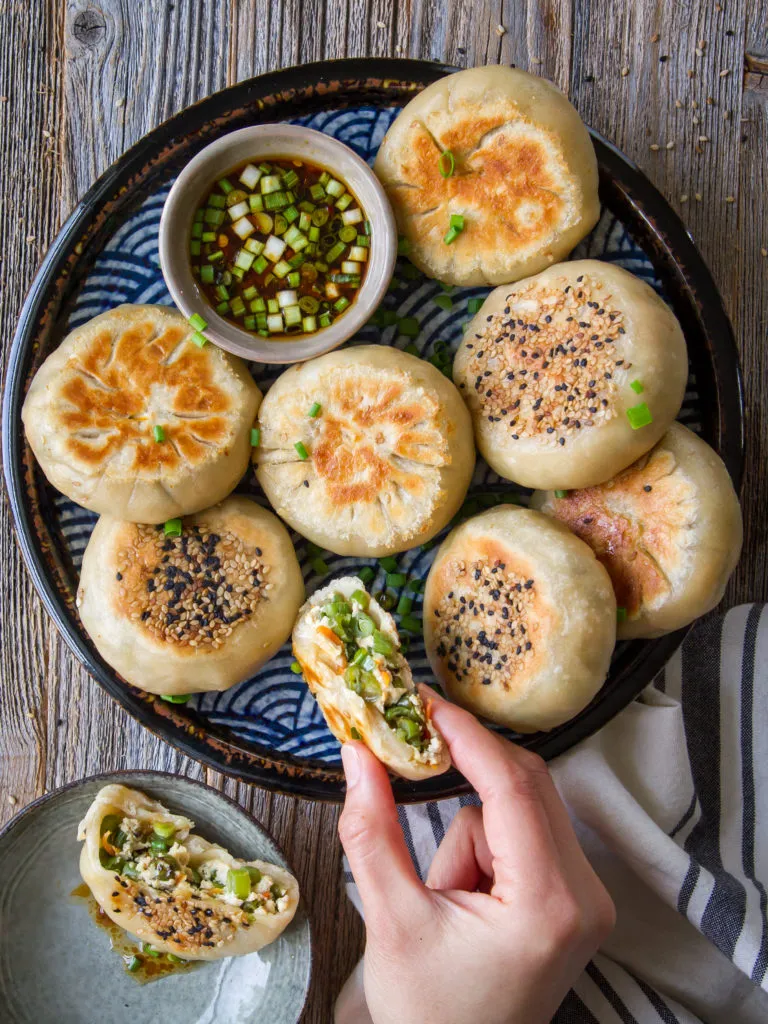
Ingredients:
- For the Paneer Filling
- Paneer, cut into cubes or long strips
- Oil or butter
- Salt to taste
- For the Pesto Thecha
- Fresh basil leaves
- Garlic cloves
- Green chillies
- Roasted peanuts or pine nuts (for authentic thecha tastes, use peanuts)
- Olive oil
- Lemon juice
- Salt
- For the Bao
- Steamed bao buns (freshly made, which enhances the dish's taste)
- Onion, thinly sliced
- Cucumber or lettuce
- Sesame seeds (optional)
Method:
- Make the pesto thecha: Blend basil, garlic, green chillies, nuts, olive oil, lemon juice, and salt into a coarse paste. (for authentic taste and texture, use a stone grinder just as the Italians or Maharashtrians do)
- Cook the paneer: Pan-sear paneer in oil or butter until lightly golden. Toss with pesto thecha until well coated. You can coat the paneer slices or sticks and put them on the griller to get a smoky taste
- Assemble the bao: Warm the bao buns, fill with paneer, and add onions and greens. Sprinkle sesame seeds and serve warm.
People Are Curious About:
1. What exactly is fusion food?
Ans) Fusion food combines elements from different culinary traditions to create new flavours, techniques, or presentations. It blends ingredients, cooking methods, or cultural influences from two or more cuisines, resulting in innovative dishes that respect tradition while embracing creativity and global tastes.
2. What is Indian fusion food?
Ans) Indian fusion food blends traditional Indian flavours with global cuisines such as Italian, Chinese, Mexican, or Western styles. Dishes like butter chicken pizza, masala pasta, or tandoori tacos retain Indian spices while adapting international formats, reflecting modern dining and evolving food culture.
3. Is fusion food healthy?
Ans) Fusion food can be healthy or indulgent depending on ingredients and preparation. When it uses fresh produce, balanced spices, and mindful cooking methods, it can be nutritious. However, overly processed elements, excess cheese, or sauces may reduce its health value.
4. Is a samosa indian or a fusion food?
Ans) The samosa is considered an Indian snack today, but its origins trace back to Central Asia and the Middle East. Over centuries, India adapted it with local spices and fillings, making it a culturally Indian dish with historical fusion roots.
5. What are the 7 most famous fusion foods around the world?
Ans) Seven famous fusion foods include sushi burrito, butter chicken pizza, Korean tacos, Indo-Chinese noodles, ramen burgers, Tex-Mex cuisine, and peri-peri chicken. These dishes merge regional flavours with global formats, showcasing how food evolves through cultural exchange.
Why Fusion Food Works
Fusion food thrives when it comes from respect and understanding, not novelty. The most meaningful fusion dishes are rooted in technique, memory, and intention. The reason fusion food works magic is that
- Encourages creativity without cultural suppression
- Makes traditional flavours accessible to wider audiences
- Reflects real-world multicultural experiences
- Allows cooks to redefine “authenticity” on their own terms
- In a world where identities are increasingly fluid, fusion cuisine feels honest and relevant.
A Plate That Feels Like Home
Fusion cooking isn’t about choosing one culture over another; it’s about letting both live on the same plate. For many cooks, blending cuisines becomes a way to reconcile past and present, tradition and transformation.
In dishes like Butter Chicken Lasagna and Paneer Pesto Thecha Bao, we don’t just taste innovation, we taste belonging. And sometimes, that’s the most nourishing ingredient of all.
Written by P. Manika (Performist Content Writer)
