Traditional French Baking at Home: How to Bake Perfect French Bakery Bread?
July 27, 2026
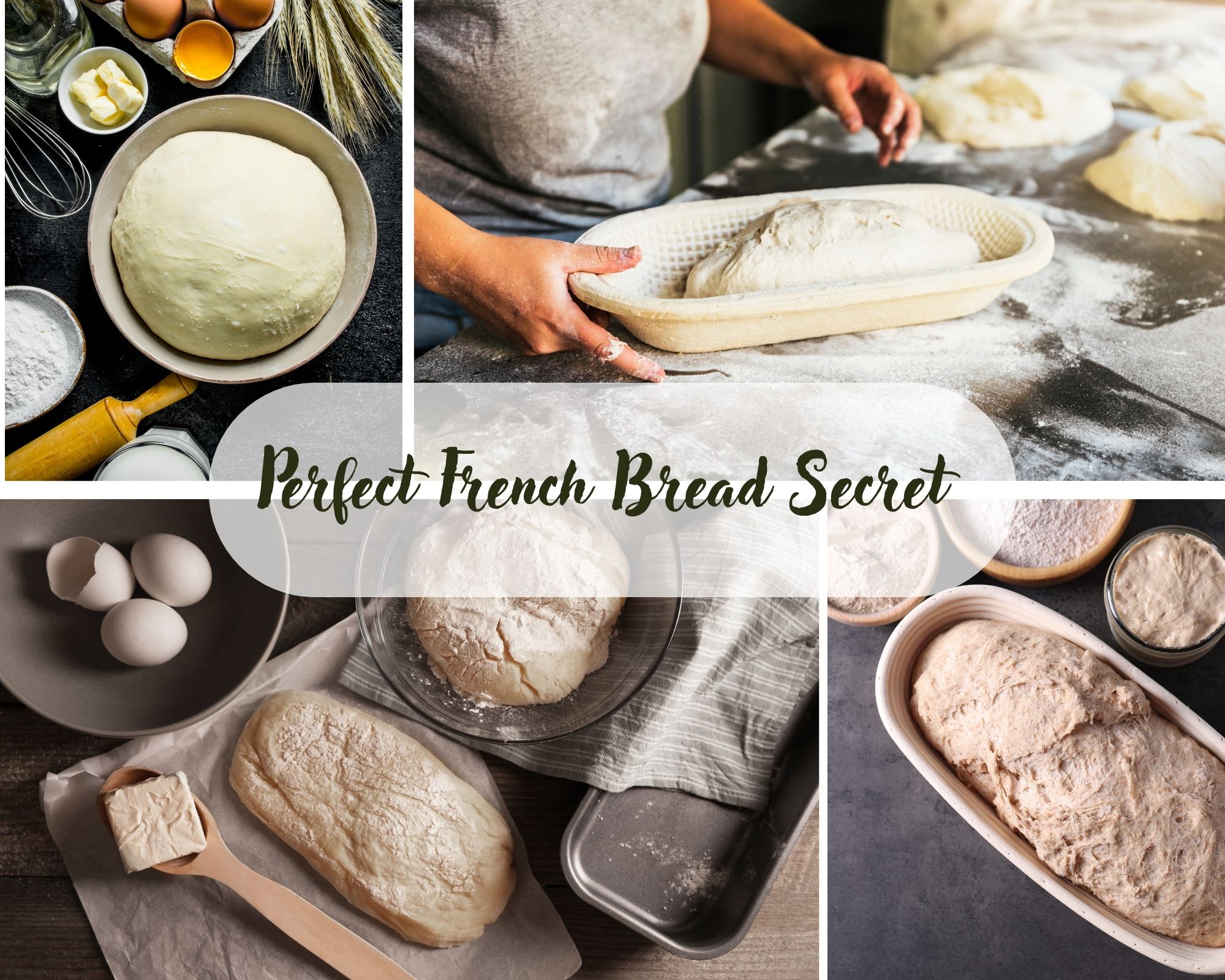
Bakery foods have always been my favourite, and baking has been a therapy for me, but nothing beats European baking. There is something magical about stepping into a French bakery: the aroma of freshly baked baguettes, the crackle of a perfectly crisp crust, and the soft, airy crumb hidden inside each loaf seem almost impossible to recreate at home.
And while one would think that these delicious buns have a whole lot of drama behind them, the truth is their exceptional bread comes from patience, quality ingredients, and a deep understanding of the baking process. Well, of course, with evolving time, add in some complicated techniques or expensive equipment that make cooking easy for large groups; but with a few tips and tricks, you can easily replicate them at home,
So today, let's uncover the hidden secrets French bakers use every day.
Why French Bakery Bread Tastes Different
French bread is celebrated for its simplicity. You visit any French workshop bakery you would learn: they follow traditional recipes, often using just four basic ingredients: flour, water, salt, and yeast (or natural sourdough starter).
What sets French bread apart is not the ingredient list but the technique. Slow fermentation, gentle handling, proper hydration, and careful baking allow these humble ingredients to develop incredible flavor and texture. French bakers believe that good bread cannot be rushed, and this philosophy is at the heart of every great loaf.
Easy Food For Big Groups Prep: French Bakery Secrets To Make Perfect Bread At Home
Start with High-Quality Flour Like French Bakery
- Flour makes a lot of difference in how your bread turns out, so French bakeries pay close attention to flour selection. Protein content influences gluten development, texture, and crust.
- Anecdote for homemade bread flour selection:
- Bread flour creates chewy artisan loaves.
- French T55 flour is ideal for baguettes.
- Whole wheat flour adds nutty flavor and nutrition.
- Rye flour enhances complexity when blended with bread flour.
- Pro-Tip: Mix 80% bread flour with 20% whole wheat flour for a loaf that's both flavorful and light.
Hydration Makes the Difference
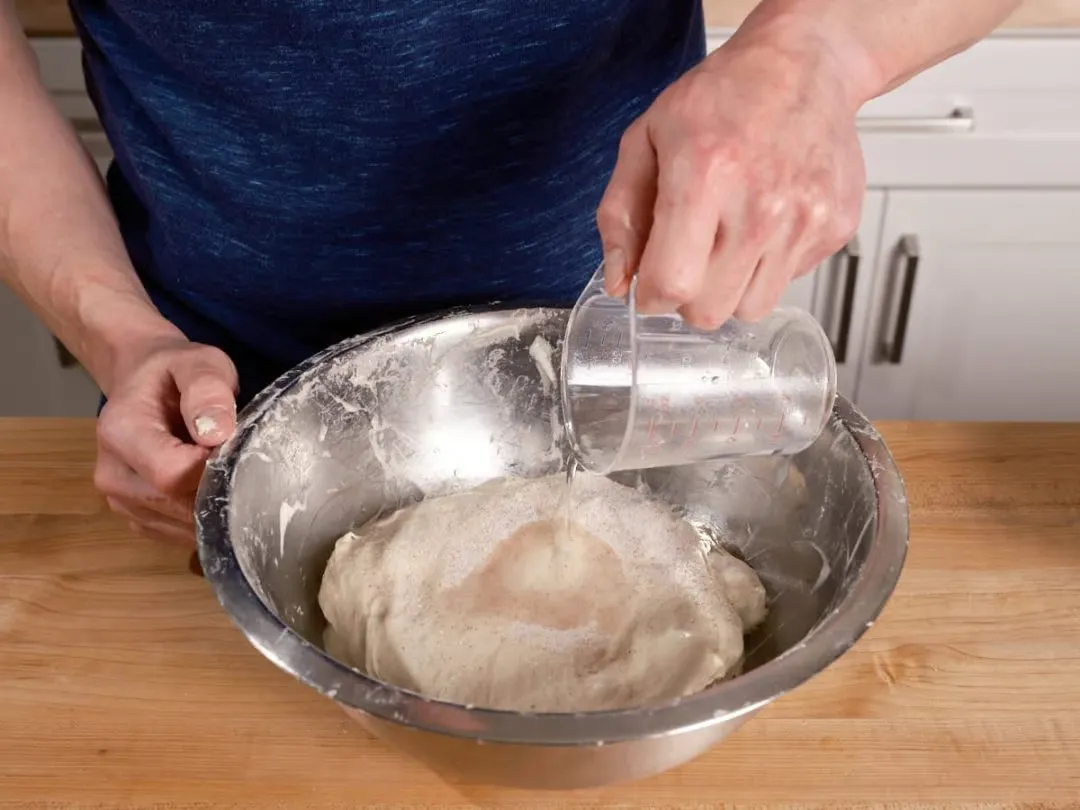
- Just as we need water, flour requires an adequate amount of water; many beginner bakers use too little.
- French artisan bread often contains higher hydration levels, resulting in:
- Open crumb
- Crisp crust
- Moist interior
- Better oven spring
- Pro-tip: If you're new to bread baking, start with 70–75% hydration before experimenting with wetter doughs.
French Bakery’s Secret Ingredient: Time
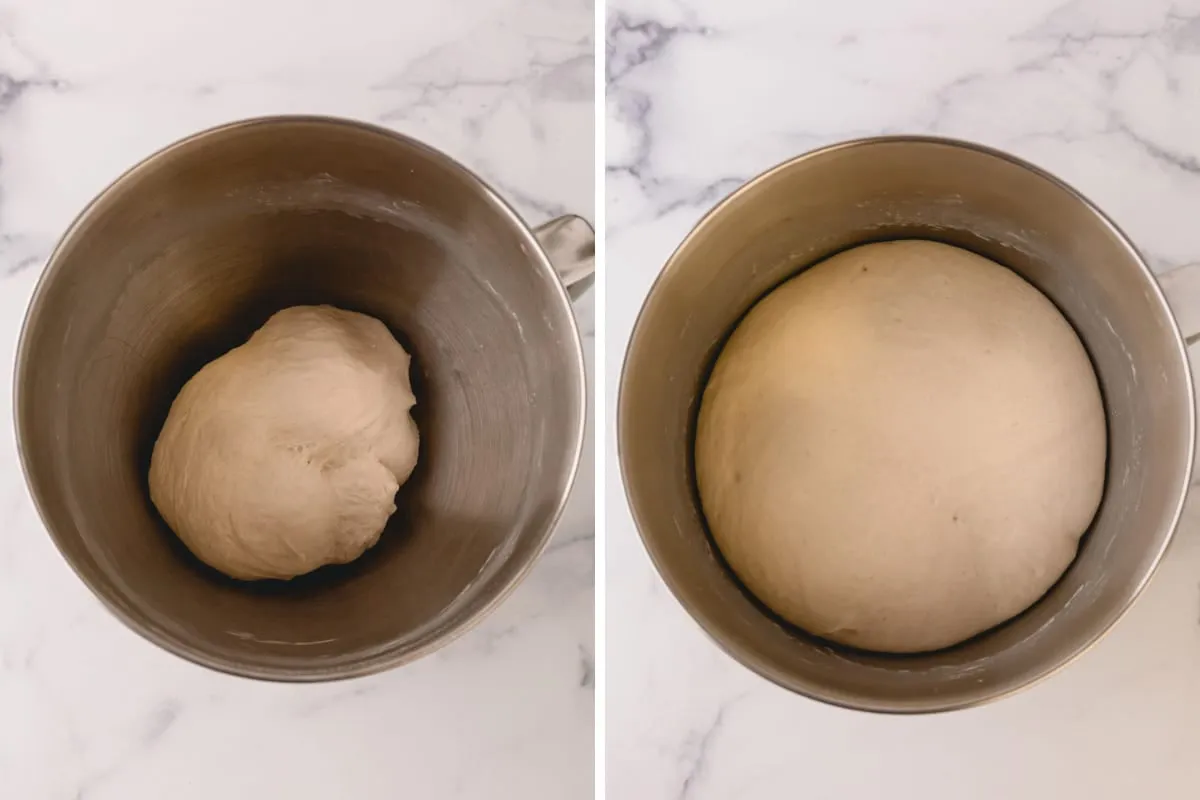
- Always remember a baker's biggest weapon is time, and the greatest French bakery secret is patience.
- Rather than rushing dough with extra yeast, French bakers allow slow fermentation.
- Benefits include:
- Richer flavor
- Improved digestibility
- Better gluten development
- Longer freshness
- Beautiful airy texture
- An overnight rise in the refrigerator can dramatically improve homemade bread’s taste and texture.
Handle the Dough Gently
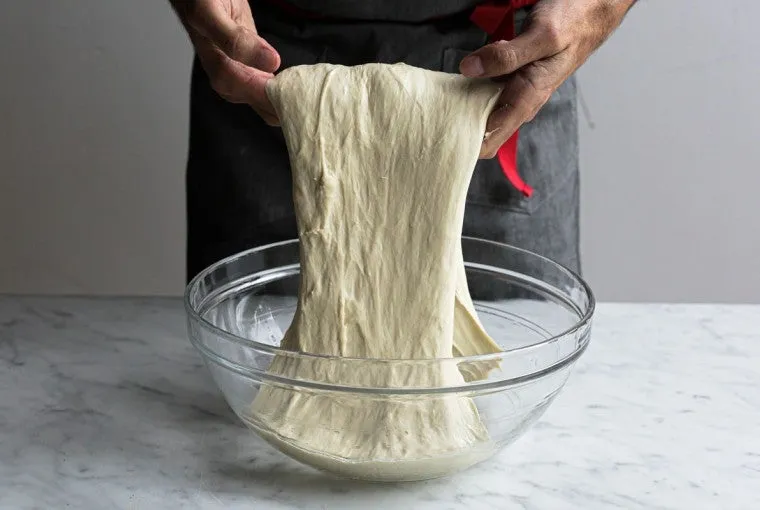
- They say baking is an art because it needs patience and care; one common mistake many beginners make is aggressively kneading or pressing the dough after fermentation.
- So avoid it, and like the artistic French bakers, preserve the tiny air bubbles that develop during proofing.
- Instead of punching down the dough:
- Fold gently.
- Shape carefully.
- Avoid overworking.
- The result is a lighter loaf with a more open crumb.
Vintage Grandma Recipe Secret: Steam Creates the Perfect Crust
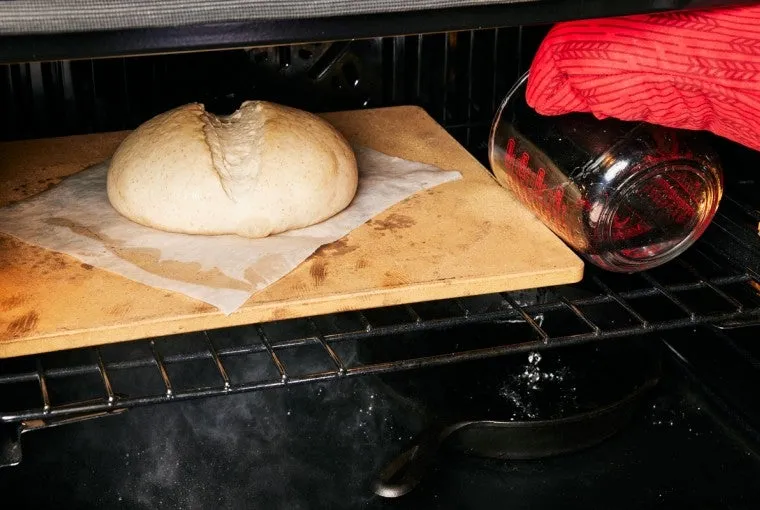
- As I said, hydration is necessary for good bread. That crisp, crackly French crust you see comes from steam.
- Professional bakeries inject steam into ovens during the first stage of baking. At home, you can try to:
- Place a tray of boiling water inside the oven.
- Spray the oven walls lightly before closing the door.
- Bake inside a Dutch oven.
- Steam delays crust formation, allowing bread to rise fully before becoming crisp.
Score with Confidence
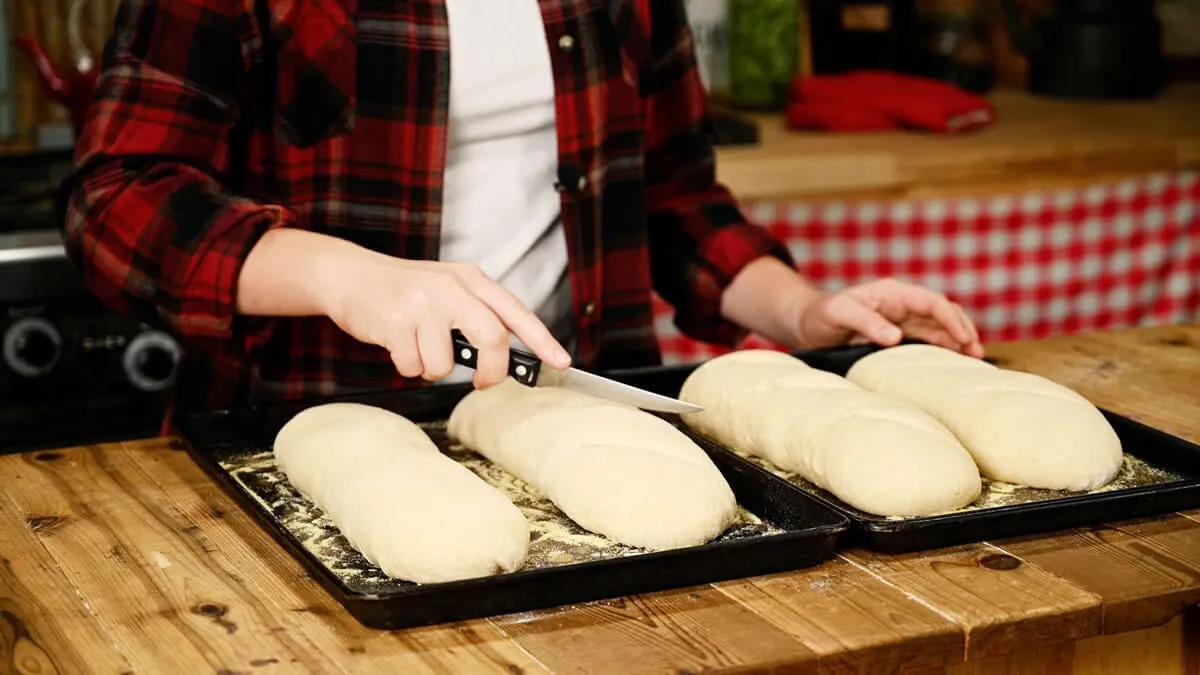
- Those elegant cuts across French bread aren't merely decorative; it is scoring. Yes, the fine cuts you see on French baguette bread help,
- Controls expansion
- Prevents random cracking
- Creates attractive patterns
- Encourages better oven spring
- For perfect homemade bread, use a razor blade or bread lame and make swift, confident cuts at a slight angle.
Resting Dough: The Traditional Technique
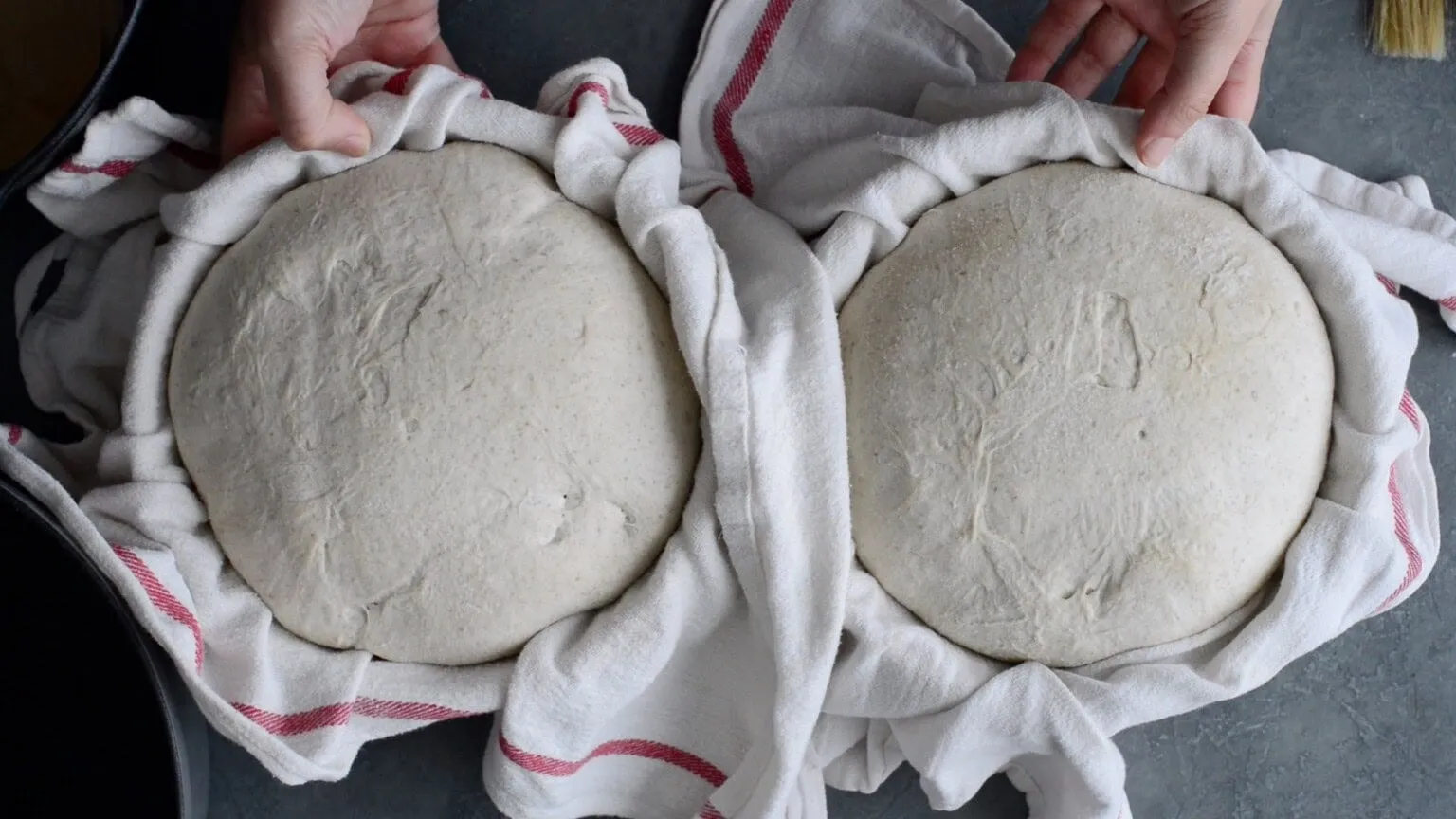
- French baking is all about patience, and they respect resting times.
- So while you are making a fresh baguette or French-style bread, allow the dough to relax at each of the following steps:
- After mixing
- After kneading
- During bulk fermentation
- Before final shaping
- Before baking
- These resting periods help gluten become extensible, making shaping easier and improving texture.
Use Natural Starters When Possible
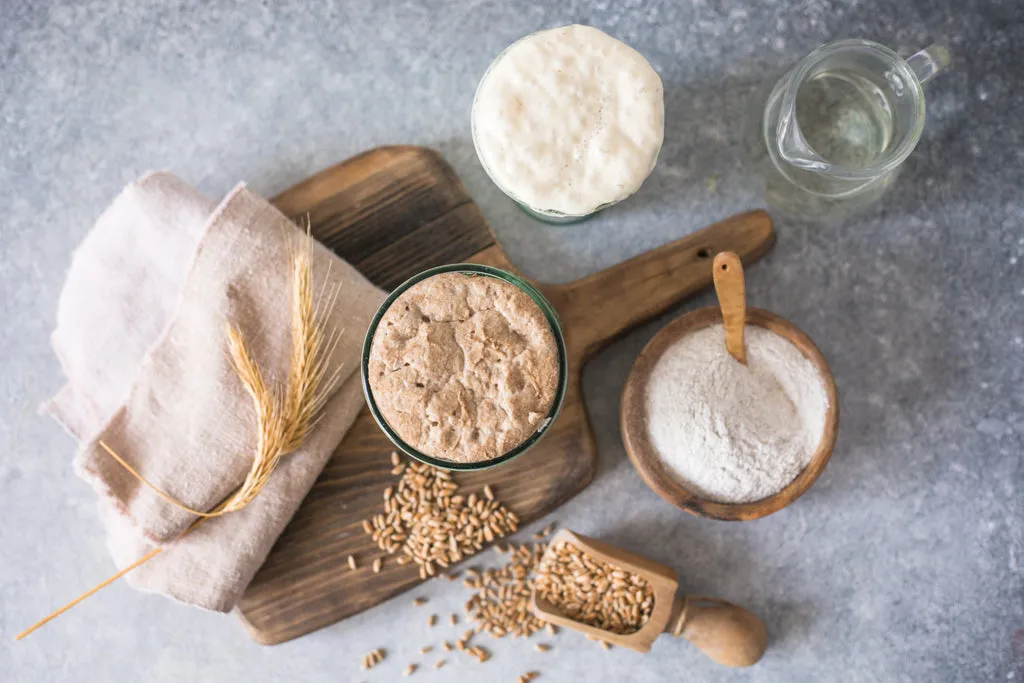
- Although commercial yeast is convenient, many authentic French bakeries rely on sourdough starters.
- Using natural fermentation often adds:
- Complex flavor
- Mild tanginess
- Better keeping quality
- Improved digestibility
- Even combining a small amount of sourdough starter with commercial yeast can enhance homemade bread.
- This is a little trick I try instead of sourdough: adding yoghurt for sour and savoury breads and milk in sweet bread, making it additionally soft and helping create a perfect crust.
Bake on a Hot Surface
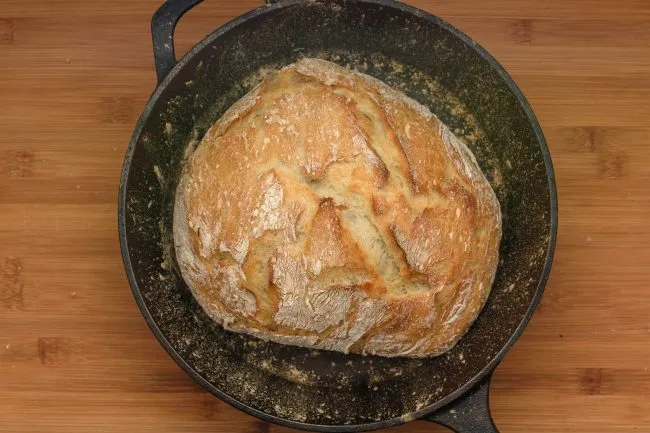
- French baguettes are baked on stone decks that retain high heat.
- At home, you can replicate this with:
- Pizza stones
- Baking steel
- Preheated Dutch ovens
- Use a cast-iron skillet for corn breads
- A thoroughly heated baking surface creates better crust development and improved rise.
Cool Before Slicing
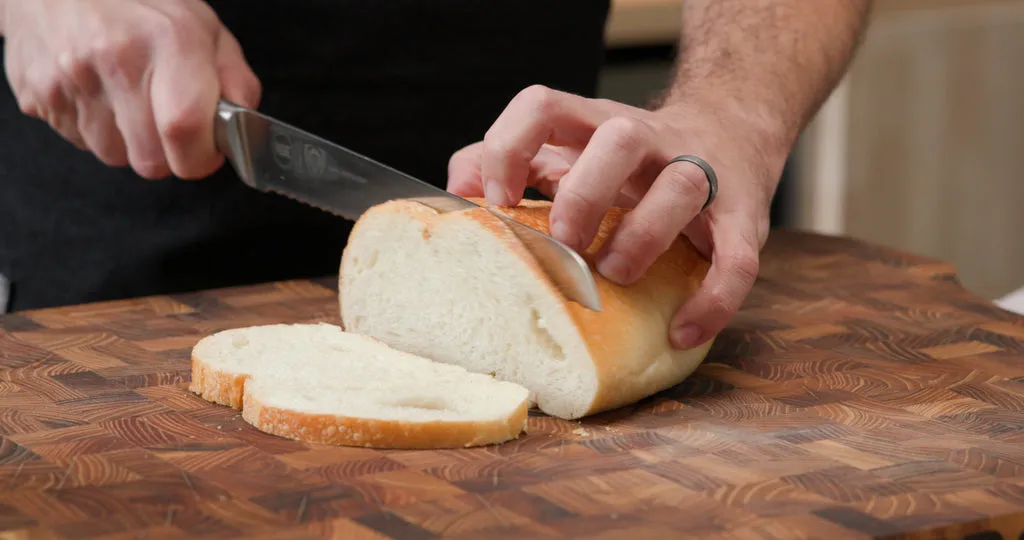
- Fresh bread smells irresistible, but slicing immediately releases steam trapped inside the loaf; this can deflate your bread or even release the taste and moisture, keeping your bread interior half-baked.
- Waiting just 45–60 minutes makes a noticeable difference.
- French bakers allow bread to cool completely. Cooling helps:
- Set the crumb
- Finish cooking internally
- Preserve moisture
- Improve slicing
Pantry Essentials Every Home Baker Should Keep To Get Perfect French Baguette Bread
A well-stocked pantry makes spontaneous bread baking much easier. Keep these ingredients on hand:
Bread flour | Whole wheat flour |
Rye flour | Instant yeast |
Active dry yeast | Olive oil |
Sea salt | Honey |
Malt powder (optional) | Sourdough starter |
Sesame seeds | Poppy seeds |
Oats | Flaxseeds |
The French Workshop Bakery-Inspired Essential Bread-Baking Tools
Professional equipment isn't necessary, but a few tools make baking easier. Recommended items include:
Digital kitchen scale | Mixing bowls |
Bench scraper | Dough whisk |
Proofing basket (banneton) | Bread lame |
Dutch oven | Pizza stone |
Cooling rack | Kitchen thermometer |
Avoid These Common Mistakes To Get Perfect French Bakery Style Bread
Even experienced home bakers occasionally encounter setbacks. So note a few common errors we unintentionally make to avoid them:
- Measuring flour by volume instead of weight.
- Using water that's too hot, it can damage yeast.
- Skipping proofing times, it deflates your bread volume.
- Adding too much flour during kneading makes your bread dusty and hard.
- Over-proofing the dough, it will make it gummy or flat.
- Under-heating the oven can leave your bread raw on the inside.
- Cutting into bread too soon it will release the necessary moisture.
- Ignoring dough temperature.
French Bakery Hacks You Can Try Today
- Refrigerate the dough overnight; cold fermentation develops deeper flavor with almost no extra effort.
- Mix the dough the night before; wake up to dough that's ready for shaping and baking.
- Keep a Bowl of Water Nearby
- Slightly damp hands prevent sticky dough from clinging during shaping.
- Bake Two Loaves at Once
- Freeze one loaf after cooling for future meals.
- Add Steam Only at the Beginning
- Too much steam throughout baking prevents crust crispness.
Delicious Pairings for Homemade French Bread
Fresh French bread complements almost every meal.
Salted butter & Fresh herbs | Olive oil and balsamic vinegar |
Brie | Camembert |
French onion soup | Ratatouille |
Beef bourguignon | Chicken fricassée |
| Homemade jam | Goat cheese |
Nut butter | Avocado |
Even a simple slice with butter and sea salt celebrates the beauty of freshly baked bread.
Frequently Asked Questions:
1. What is the secret of French Bread?
Ans) The secret to authentic French bread lies in using simple, high-quality ingredients—flour, water, yeast, and salt- combined with slow fermentation, proper kneading, and baking with steam to create a crisp crust and airy, chewy crumb.
2. How to get fluffy French bread?
Ans) To achieve fluffy French bread, use bread flour, allow sufficient proofing time, knead until smooth, avoid adding excess flour, and bake in a steamy oven for maximum rise and a light interior.
3. How to prevent French bread from getting hard?
Ans) Store French bread in a paper bag or bread box at room temperature instead of the refrigerator. Freeze leftovers if needed and reheat briefly in the oven to restore its crisp crust and soft interior.
How to Store Homemade Bread To Make Food For Big Groups
- Proper storage helps maintain freshness. Follow a few rules:
- Wrap in a clean linen or cotton cloth for daily use.
- Store in a paper bag to preserve the crust.
- Avoid refrigerating bread, as it speeds up staling.
- You can freeze sliced bread in airtight freezer bags for up to three months; remove, defrost, prepare your favourite recipe and serve.
- Refresh day-old bread by sprinkling it lightly with water and warming it in a 180°C oven for 5–8 minutes, and you can enjoy it with your pasta or soup.
Final Thoughts
Baking is truly an art that take patients, preparation, techniques, and the simple yet zen ingredients, and French bakers understand that. Every loaf reflects careful attention to fermentation, technique, and craftsmanship, with no shortcuts.
Home bakers often focus on recipes alone, but the true secret lies in learning to observe the dough. You can recreate the rustic beauty of a neighborhood French bakery in your own kitchen. Whether you're baking your first French baguette, a hearty country loaf, or a naturally fermented sourdough, these hidden French bakery secrets will help you achieve crisp crusts, airy interiors, and rich, authentic flavors.
With a little patience and practice, every homemade loaf becomes more than just bread- warm slices to share with family and friends. If you want to indulge in more such vintage granma’s recipes and secrets to recreate global cuisines, keep reading. Follow Recipesliving for more such kitchen tips for perfect food preparations, main course meal recipes, and insights on global cuisine and healthy foods.
By P. Manika (Performist Content Writer)
