The Story of Classic Vintage Pizza Recipes: Naples Pizza vs Global Versions
May 05, 2026
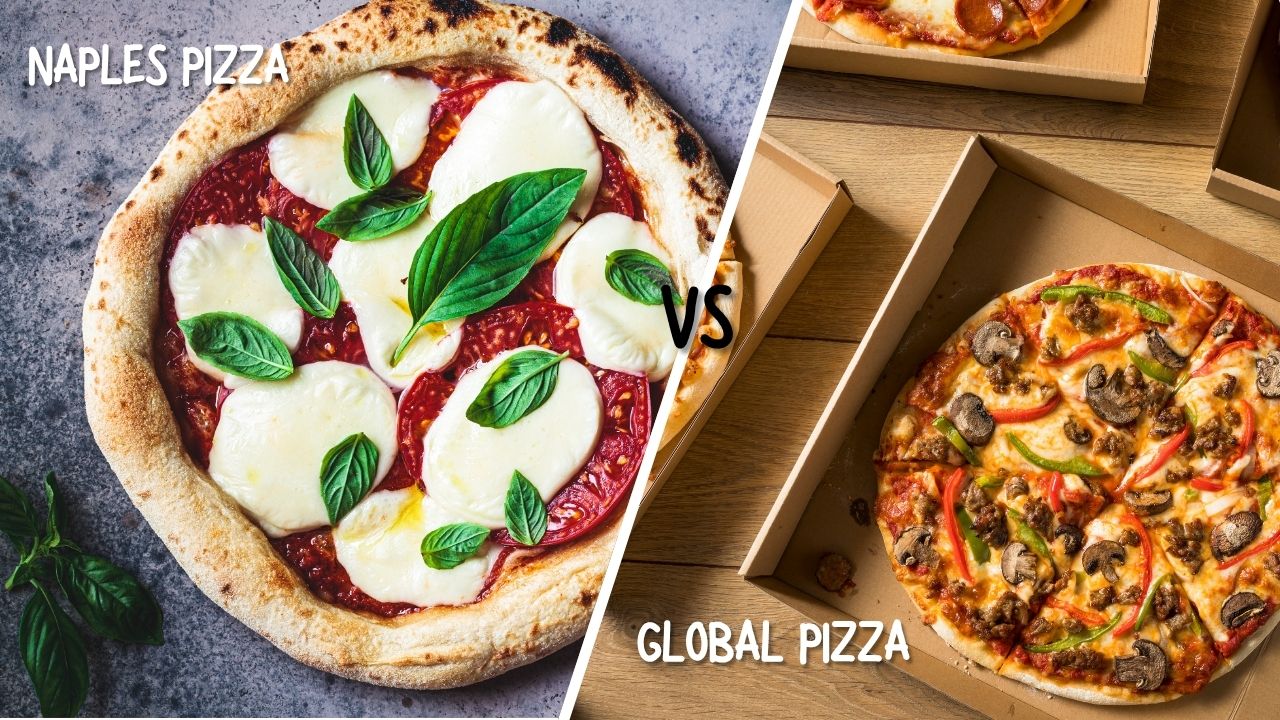
Pizza has become one of the world’s most loved fast foods. Be it a movie-night marathon, a weekend party-night order, a gourmet, wood-fired, exquisite main-course meal, a baking therapy session, or a frozen midnight snack, pizza today exists in almost every corner of the globe. Its flexibility is exactly what made it universal: thick and thin crusts, pineapple debates, stuffed edges, fusion toppings, and endless regional twists, making it adaptable to diverse tastes worldwide.
But do you know the real story behind pizza? Today, let's explore this classic vintage grandma recipe that traveled from the streets of Italy to global venues in different versions. How Naples created the original pizza culture, and how to make both versions of this culinary history.
Native to Naples: Original Italian Pizza
Before becoming the celebrated and decorated version it is today, pizza was something much simpler, a humble, rustic main course meal born in the streets of Naples. Traditional Neapolitan pizza wasn’t designed to be overloaded or extravagant; it was affordable food for working-class communities, made with a few fresh ingredients and baked quickly in scorching hot ovens.

And honestly, the original version looks very different from what most of the world eats today. The history of pizza dates back centuries, but modern pizza as we know it began in Naples during the 18th and 19th centuries. At the time, Naples was a bustling port city filled with workers, sailors, and laborers who needed cheap, quick, and filling meals. Street vendors began selling flatbreads topped with ingredients like Garlic, Tomatoes, Olive oil, Herbs, and Cheese.
What made Neapolitan pizza revolutionary was the use of tomatoes, once feared in Europe because they were believed to be poisonous. Over time, tomato-topped flatbreads became a staple among Naples’ working class. And according to legend, in 1889, pizza maker Raffaele Esposito created a pizza for Queen Margherita of Italy representing the colors of the Italian flag. This became the famous Pizza Margherita, the blueprint for traditional Neapolitan pizza today.
Authentic Neapolitan pizza is all about restraint and quality, and modern pizzas are overloaded with indulgence. On the streets of Italy, you can explore the authentic flavours with quick bites that are truly different from the global versions.
Traditional Nonna-Style Neapolitan Pizza Recipe
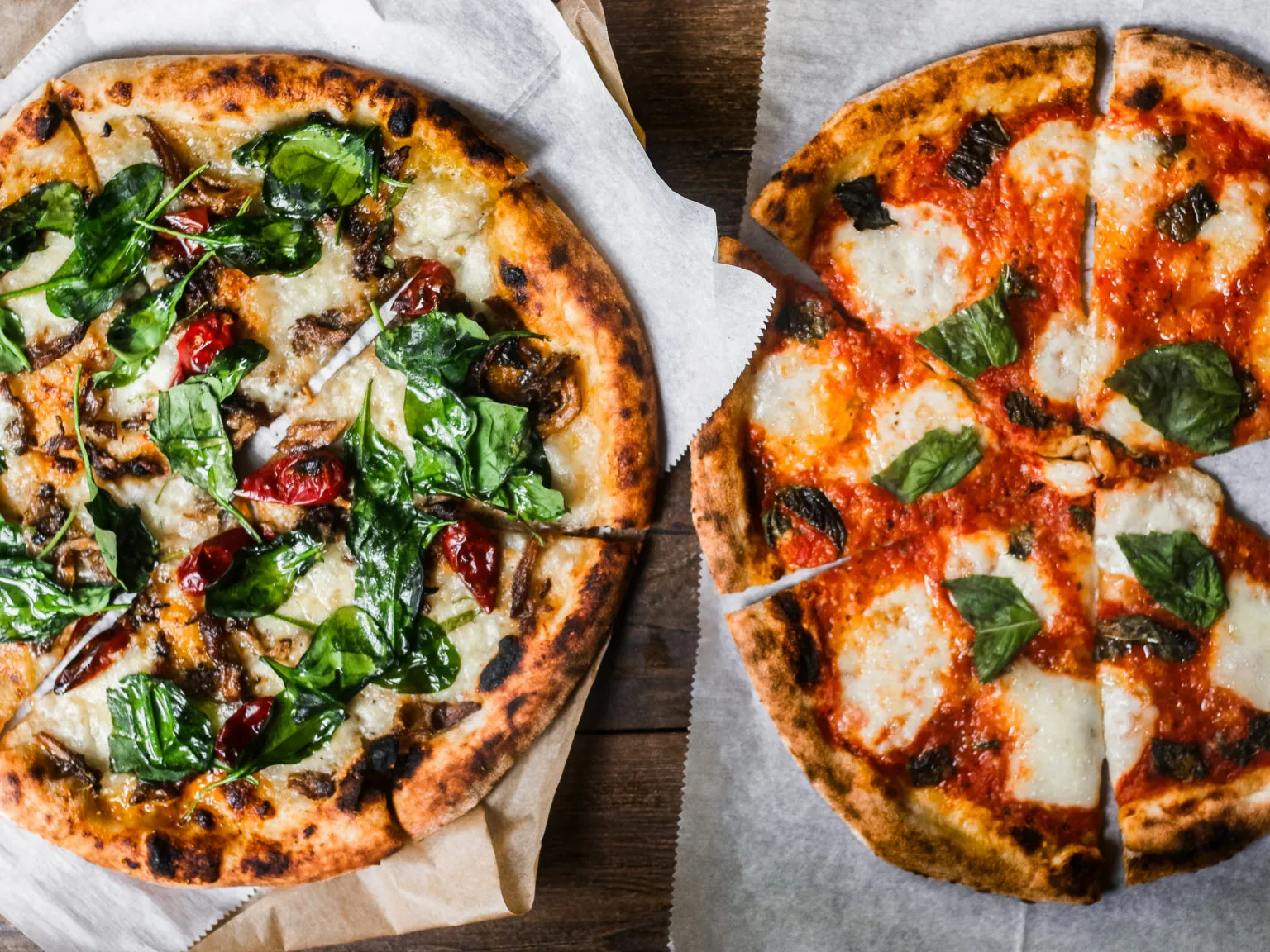
This recipe reflects the rustic Italian “nonna” approach, simple ingredients handled with care. This can be noted among our classic vintage grandma’s recipes that prioritize fresh and nurturing ingredients made with effort and care.
Ingredients
For the Dough
- 3 cups flour
- 1 tsp yeast
- 1 tsp salt
- 1 cup warm water
- 1 tbsp olive oil
Toppings
- Crushed San Marzano tomatoes
- Fresh mozzarella
- Fresh basil
- Olive oil
- Sea salt
Method
Knead The Dough
- Dough is the most important factor of pizza making; if your dough is not proper, the pizza will become dry or too hard.
- Start by mixing flour, yeast, salt, water, and olive oil. You can activate the yeast in warm water, then add or mix in the dry dough. I prefer activating.
- Knead until smooth. The consistency should not be too hard or too soft.
- Cover it with a wet cloth and let it rise for 6–8 hours for the best flavor.
- You can make dough batches for 3 days and store them, but making fresh dough gives the best results.
Carve the Pizza Crust
- Remember, pizza dough is never rolled; it is stretched. Rolling pins are avoided to preserve air bubbles.
- Start doing it gently by hand. And get it to a circular shape, adjust its thickness to your liking.
Finish With Seasoning
- First, spread crushed tomatoes lightly. For the authentic, timeless vintage recipe to succeed, you must use freshly made San Marzano sauce.
- Add torn mozzarella pieces, top with basil leaves, and drizzle olive oil.
- This was the basic topping. There are various toppings, yet you won't find more than one or two ingredients used as toppings.
- Margherita pizza ingredients are almost the same, just the base sauce is cooked with olive oil, garlic, and fresh basil.
Bake
- Bake at the highest possible oven temperature until blistered and lightly charred.
- Garnish again with fresh basil, and drizzle some olive oil if you want.
- The result is light, airy, slightly smoky, and beautifully simple; this is not just pizza making but a therapeutic baking experience with the whole process and a healthy outcome.
Global-Style Loaded Pizza Recipe
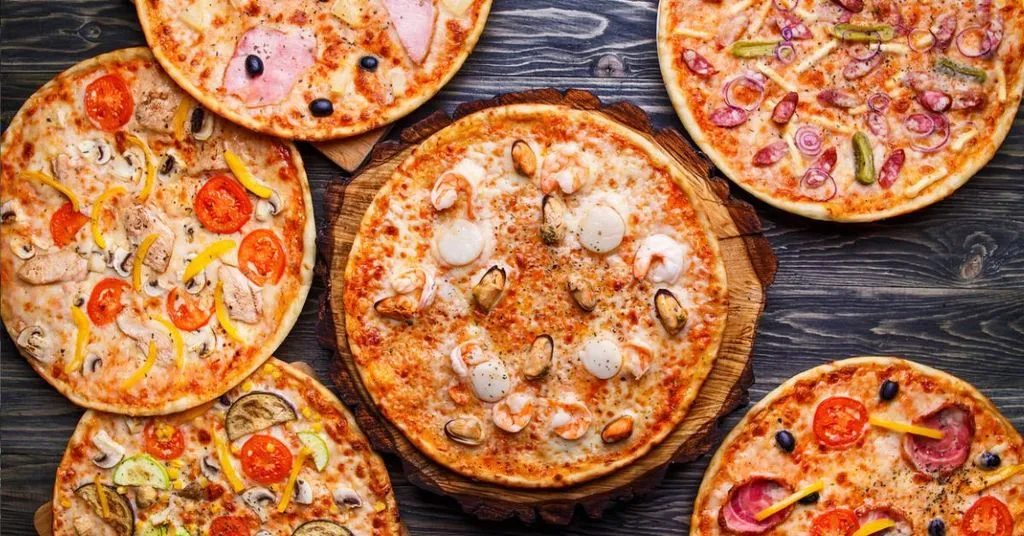
This version reflects the modern comfort-food evolution loved worldwide, and the toppings are upgraded according to regional preferences.
Ingredients
Dough
- Pizza dough
- Garlic butter
Toppings
- Pizza sauce
- Mozzarella blend
- Pepperoni or chicken
- Bell peppers
- Olives
- Onions
- Mushrooms
- Chili flakes
Method
- Use fresh dough or ready-made pizza dough and roll it a little thicker than Neapolitan style.
- Spread generous pizza sauce, which is readily available in the market, or you can make it fresh by making a fine paste of garlic, tomatoes, chilli flakes, basil, and boil it for 8 minutes for thickness.
- Add lots of cheese; you can use any cheese you prefer, cheddar, mozzarella, or parmesan. Generally, processed cheese or mozzarella is used.
- Layer toppings heavily as per your preference. The basic includes a combo of the following:
- Sweet corn -onion
- Bell peppers-sweetcorn-onion-tomato
- Mushroom-onion
- Salami-pepperoni-sausage
- Chicken in various preparations(barbecue, grilled, tandoori, etc)
- Paneer-onion-tomatoes
- olive-onion-Jalapenos
- Once done with your favourite combination of topping, bake until golden and crispy.
- This version is richer, cheesier, and more indulgent, a main course meal idea across the globe with toppings crafted according to people's choices and taste buds.
Frequently Asked Questions
1. Is Neapolitan pizza healthy?
Ans) Traditional Neapolitan pizza can be relatively healthy because it uses simple fresh ingredients, a thin crust, minimal cheese, and less processing compared to fast-food pizzas. Wood-fired cooking also keeps it light, balanced, and easier to digest when eaten in moderation as part of a wholesome diet.
2. What flour is used in Neapolitan pizza? Is it different from the fast food version?
Ans) Authentic Neapolitan pizza uses finely milled Italian “00” flour, which creates a soft, airy, chewy crust. Fast-food pizzas usually use highly processed bread flour with added sugar, oil, and preservatives, resulting in thicker, denser crusts that differ greatly in texture, flavor, and digestion.
3. What is the best topping for main dish ideas in Neapolitan pizza?
Ans) The best Neapolitan pizza toppings are simple and balanced — fresh mozzarella, basil, olive oil, mushrooms, burrata, anchovies, or prosciutto. Authentic recipes avoid overloaded toppings so the crust, tomato sauce, and fresh ingredients remain the highlight of the pizza experience.
4. What is the original Margherita Pizza?
Ans) Original Margherita Pizza is a classic Neapolitan pizza made with San Marzano tomatoes, fresh mozzarella cheese, basil leaves, olive oil, and a soft wood-fired crust. Created in Naples, its colors represent the Italian flag and celebrate simplicity, freshness, and traditional Italian culinary heritage.
Global Story of Native Naples Pizza Travel
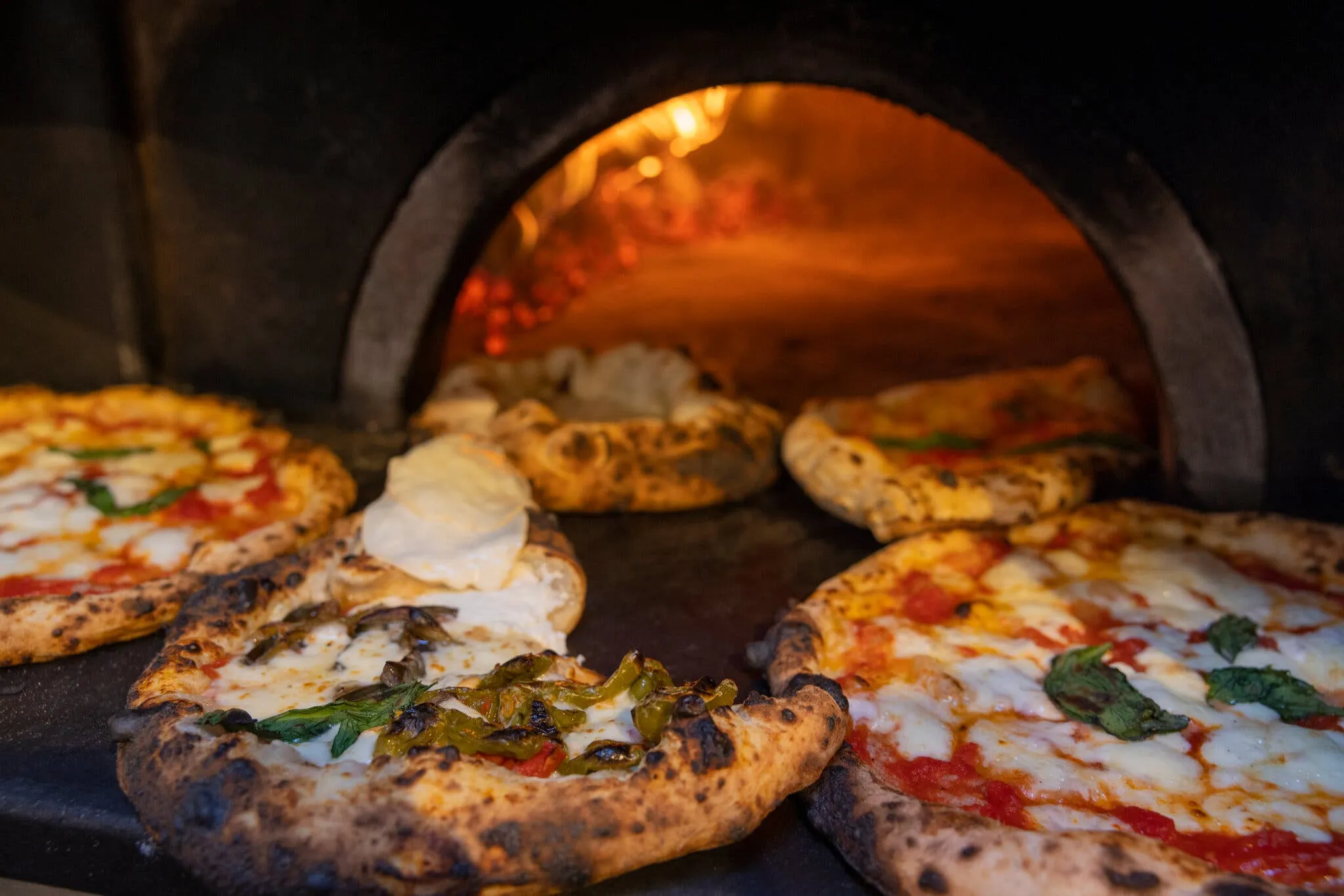
When Italian immigrants moved abroad, especially to the United States, pizza evolved dramatically. Over time, the crusts became thicker, cheese quantities increased, and toppings became unlimited. Pizza slowly transformed from humble street food into a global fast-food phenomenon. Today, we see countless variations of this main dish idea, from deep-dish pizza, Stuffed crust, to Dessert pizza. This modern pizza has become a canvas for creativity rather than strict tradition.
Pizza today is more than just a fast food; it reflects cultural identity everywhere it goes. For instance, Japan adds mayo and seafood, India adds paneer and tandoori flavors, America loves deep cheese layers, and Italy still protects traditional methods fiercely.
Yet when it comes to making an authentic, timeless, classic, vintage recipe of pizza, the locals are very emotional about it and take pride in it. And a fact that the "Art of the Neapolitan Pizzaiuolo" was inscribed on UNESCO's Representative List of the Intangible Cultural Heritage of Humanity in 2017 shows how exquisite the art of pizza making is. This recognition protects the traditional, generational, and culinary skills of Naples' pizza makers, rather than just the recipe itself.
With globalization, various brands have established pizza restaurant chains that function globally. One of the most popular among consumers would be pizza from Chuck E Cheese, then there is Pizza Hut, or Domino's.
Final Thoughts
Where the classic Traditional vintage recipe of Neapolitan pizza represents craftsmanship, simplicity, and Italian culinary heritage. Global pizza represents creativity, comfort food culture, and accessibility. While one celebrates minimalism, the other celebrates abundance. And honestly, both have their own charm depending on your mood.
But the real story of pizza is not just about dough and cheese; it’s about migration, culture, adaptation, and tradition. From the humble streets of Naples to global fast-food chains and gourmet restaurants, pizza has evolved while still carrying traces of its original soul.
Well, with the two recipes mentioned above, which one is your favourite classic Naples simplicity or loaded global comfort? Either way, I feel there is something comforting about how one humble dish managed to connect cultures across the world, to know about more such recipes and their traditions, follow recipesliving.
– P. Manika (Performist Content Writer)
