Sunday Served Warm: Global Family Tradition From Kitchen to Kin
January 07, 2026
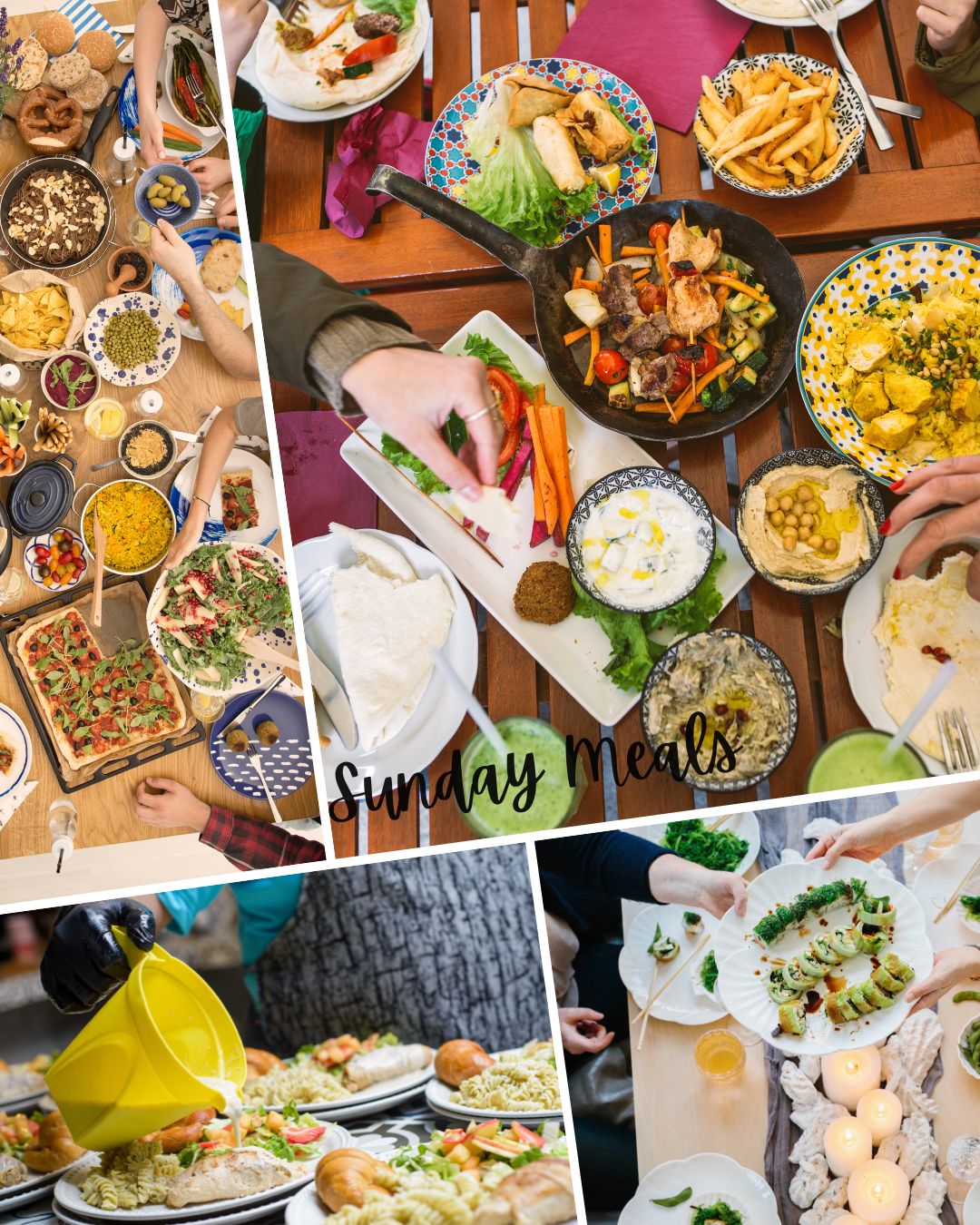
Growing up in a traditional Indian household, I have experienced the magic of Sunday meals, the laughter around the dining table, the gossip whistling between the curries brewing, the flavors dancing, kids running around, and warm and cold drinks served according to the weather, all shared with memories.
And the same is across cultures and continents, Sunday holds a special place at the table. It’s the day when time slows, kitchens fill with familiar aromas, and families come together to share more than just a meal. From long-simmered sauces in Italy and spice-laden thali in India to smoky grills in the Caribbean and slow-cooked tagines in Morocco, Sunday suppers are a universal ritual, rooted in love, tradition, and togetherness.
The Meaning of Sunday Supper: A Global Family Tradition
In any country or tradition, Sunday special meals are fixed despite cultural differences. Sunday suppers around the world share common values: togetherness over convenience, tradition over trends, and Connection over routine.
In a fast-paced world, these meals offer a pause, a reminder that sitting together, cooking together, and eating together is an act of care. These are not just meals but an excuse to bond over again, replenish relations with family and friends, making it taste even more delicious.
One Table, Many Cultures: Family Lunch Traditional Menu From Around the World
Across the globe, the Sunday lunch recipes may differ, but the emotion and intention remain the same, reconnecting with self and loved ones, slowing down, and relaxing without any stress. In this blog, let's look at a classic traditional Sunday meal menu.
Italy: The Nonnas’ Long Lunch
In Italian homes, Sunday lunch is a sacred tradition. It often begins in the morning, with nonnas kneading dough, simmering tomato sauces, and layering lasagna or rolling fresh pasta. Meals stretch for hours and multiple courses,
Antipasti: The Small bites to whet the appetite, like cured meats (Prosciutto, Salami), Cheeses (Mozzarella, Pecorino), Olives, marinated vegetables, Bruschetta, fried rice balls (supplì)
Primo: The First Course can be Pasta/Risotto, the carbohydrate star, which can include any of the following, like Lasagna al Forno (Rich, layered pasta), Ravioli/Tortellini (often in broth or butter-sage sauce), Risotto (creamy, sometimes saffron (Milanese), and Ragu (slow-cooked meat sauce for pasta).
Secondo: This would be the main course that includes either Meat or Fish, the protein centerpiece. Consisting of roasted meats like lamb, beef (like Braciole), pork (Porchetta), or chicken, and seafood (especially coastal). Not to be forgotten is the classic Ossobuco, made from seasoning veal shanks with salt and pepper. Then sear in olive oil until browned. Remove and sauté onion, carrot, celery, and garlic. Add tomatoes, white wine, and stock. Return shanks, cover, and simmer gently for 1½–2 hours until tender. Finish with lemon zest and parsley.
Dolce: A sweet finish, always last but not least, can be a classic Tiramisu, fruit, gelato, or regional pastries.
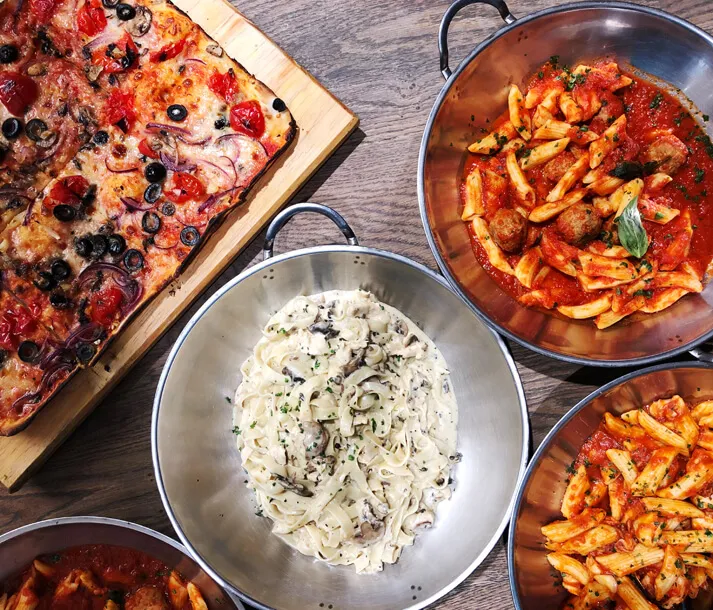
The Italian spread table is loud, lively, and full, where recipes are passed down through stories as much as measurements. Sunday is less about speed and more about savoring family, food, and heritage.
France: Slow Cooking and Simple Elegance
In French, Sunday suppers celebrate restraint and refinement. It's a leisurely affair centered around beef bourguignon, roast chicken with potatoes, or a bubbling gratin. Bread is torn, not sliced, and cheese closes the meal. Families gather around preparing a multi-course menu.
Apéritif: The before-dinner drinks and light nibbles to start.
Entrée: The appetizer consists of something light, like a seasonal salad (beet/orange), pâté, soup (vichyssoise), or stuffed tomatoes.
Plat Principal: The showstopper main Course, the heart of the meal, usually a slow-cooked, hearty dish with potatoes or rice and vegetables, like roast chicken, beef, or fish.
Fromage (Cheese Course): A selection of local cheeses served with bread, often before dessert.
Dessert: A sweet finish, such as a fruit tart, chocolate mousse, or crêpes.
Digestif & Café: Coffee and a small liqueur to end the long meal
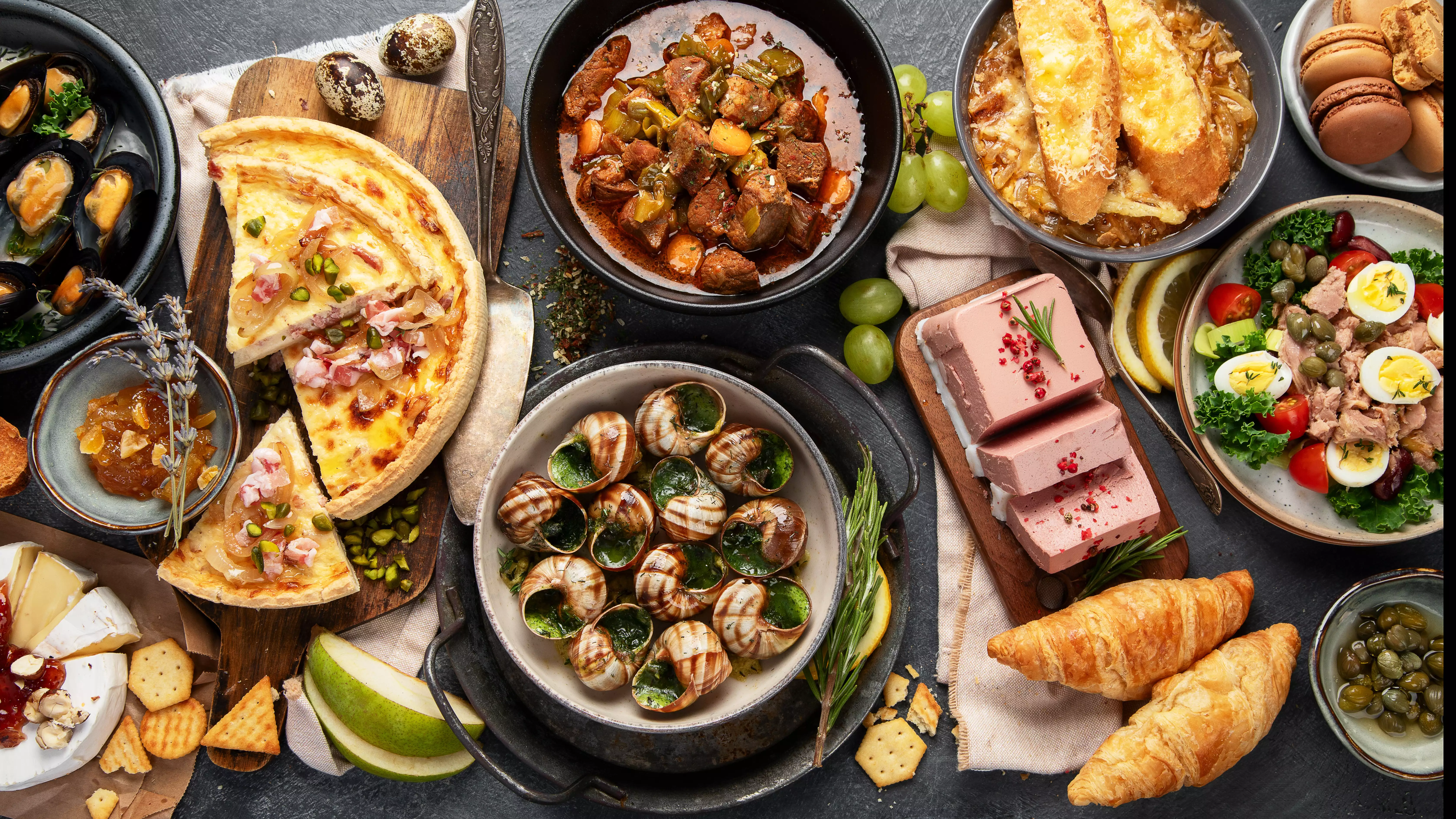
The French Sunday meal is an emphasis on quality ingredients, thoughtful preparation, and shared conversation, proof that comfort can be elegant and unhurried.
India: A Feast of Many Hands
In Indian households, Sunday meals are often elaborate, communal affairs. Several generations contribute, someone fries puris, another stirs lentils, while vegetables simmer with spices. Dishes vary by region, from rich curries and biryanis to simple rice, dal, and seasonal sabzis.
Starter: The opening dishes are very rare in Indian households, as the breakfast is often heavy with snacks like Samosa, idli-wada, poha, dhokla, thepla, or paratha. Yet some starters like tandoori kabab, cutlets, or stuffed pockets are made.
Staple: This includes the main course, which varies according to regions. It ranges from veg, chicken, and fish gravies eaten with roti, bhakri, or rice, or rice buns, according to the region's staple food. Some famous dishes include dal-makhani, chicken gravy, baigan bharta, any paneer sabzi gravy, Macher Jhol/Kosha Mangsho, the main protein dish, Sambar, Rasam, Morkuzhambu (yogurt curry), Aviyal (mixed veg in coconut), and Poriyal (stir-fried veggies like cabbage/beans).
Sides: Often accompanying the main course are the curd salad or papad.
Dessert: The sweet tooth in India is wide, but widely favored are Gulab jamun, gajar ka halwa, and kheer made throughout India with regional variations and traditionally different, each giving its own twist and taste.
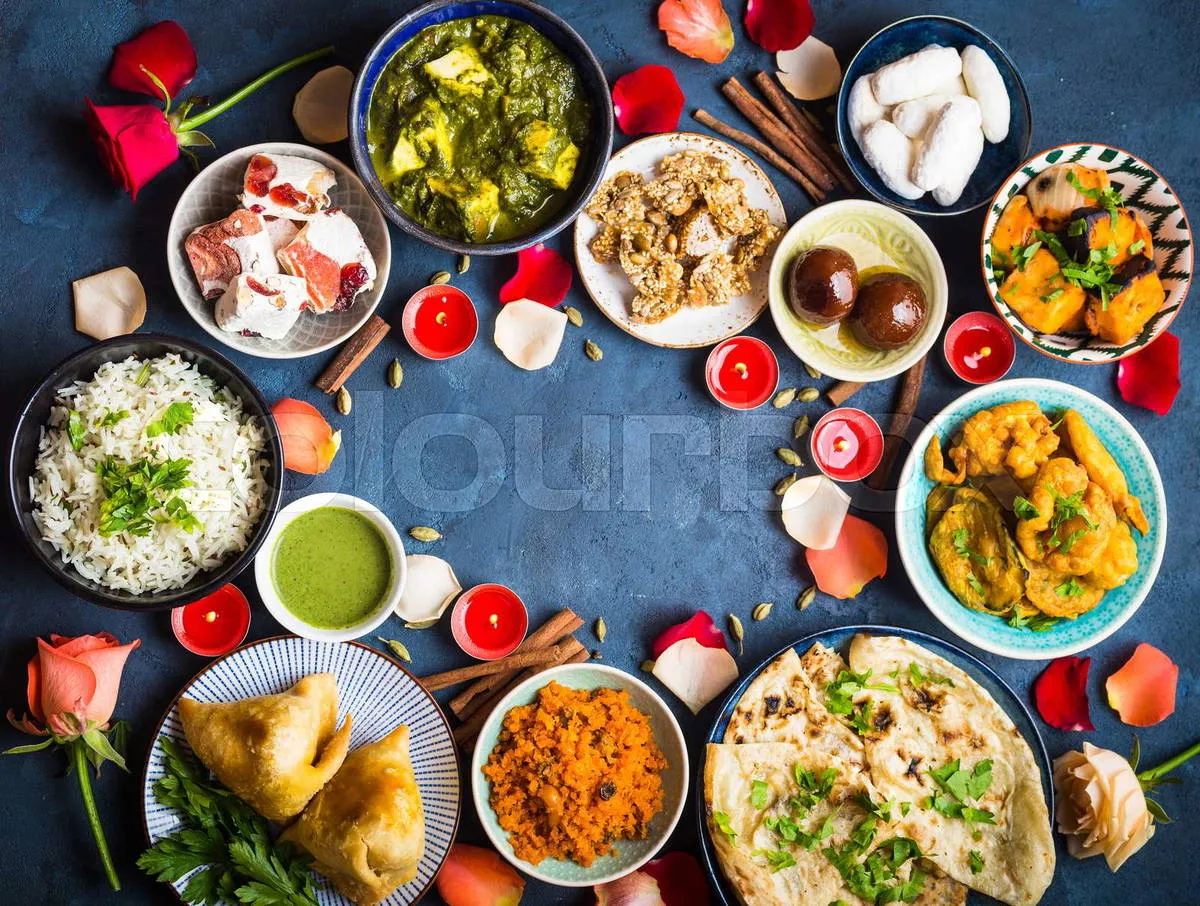
Eating together on Sundays reinforces family bonds, respect for elders, understanding the dadi-nani ke secret ingredients, and the joy of abundance.
The Caribbean: Cookouts, Music, and Soul
Sunday meals in the Caribbean are a celebration. Families and neighbors gather for outdoor cookouts filled with the scent of jerk chicken, grilled fish, rice and peas, and fried plantains.
Main Proteins: Stewed Chicken/Beef/Pork, Oxtail, are slow-cooked until tender and flavorful. Curried Goat/Chicken: Spiced and simmered until tender, and Jerk Chicken, marinated and grilled or smoked.
Starches & Grains: Rice cooked with coconut milk and kidney beans (peas), Seasoned Rice, Macaroni Pie, baked macaroni with cheese and spices, a staple in Trinidad and Tobago. Some hard foods, oiled white yams, green bananas, dumplings, and Fried Plantains are sweet and caramelized.
Vegetables & Greens: Callaloo soup or side made from leafy greens with okra, coconut milk, and sometimes crab or pigtail, and Red Beans, stewed or as part of rice and peas.
Salads & Sides: Coleslaw or Fresh Salad
Caribbean Punch: A fruit-based drink.
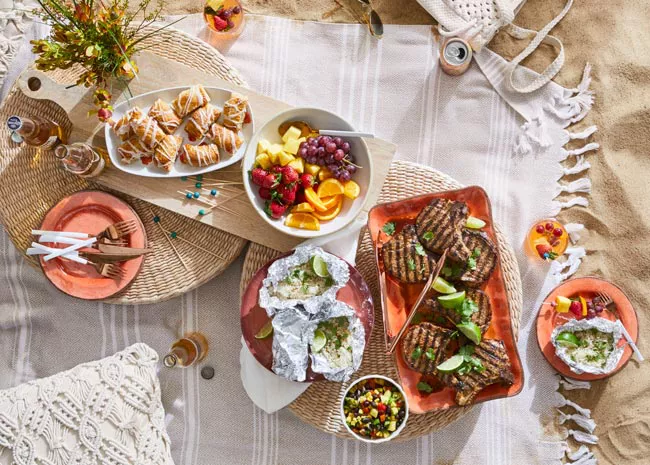
A typical Sunday lunch in the Caribbean is filled with music playing, children running freely, and laughter flowing as easily as homemade rum punch. Food is expressive here, bold, spicy, and deeply tied to cultural pride and resilience.
Mexico: Comfort in Every Bite
Mexican Sunday meals are all about warmth and generosity; these meals often begin after church and last well into the afternoon. Everyone eats, talks, and reconnects, making Sundays a cornerstone of family life.
Sides & Appetizers: The classic Guacamole & Chips, Pico de Gallo with fresh tomato, onion, cilantro, and lime salsa. Elote (Mexican Street Corn), the grilled corn with mayo, cotija cheese, chili powder, and lime. The staple accompaniments of Refried Beans & Mexican Rice.
Main Dishes (Choose one or two): Always a combination of traditional recipes, it would be Pozole, a comforting soup with hominy and meat (pork or chicken). Chilaquiles are the fried tortilla pieces simmered in salsa, often with chicken, cheese, and cream; a weekend favorite. Tacos offer a variety of fillings like Birria (slow-cooked meat), Carnitas (braised pork), or Chicken Fajitas. Then, Tamales are the steamed masa dough filled with savory or sweet ingredients, and Enchiladas, the corn tortillas rolled around fillings and covered in chili sauce.
Drinks & Dessert: In drinks for Sunday special meals, there are often Horchata, the sweet, creamy rice milk drink. Margaritas/Palomas, classic Mexican cocktails, and churros, the fried dough pastries, are often served with chocolate or caramel.
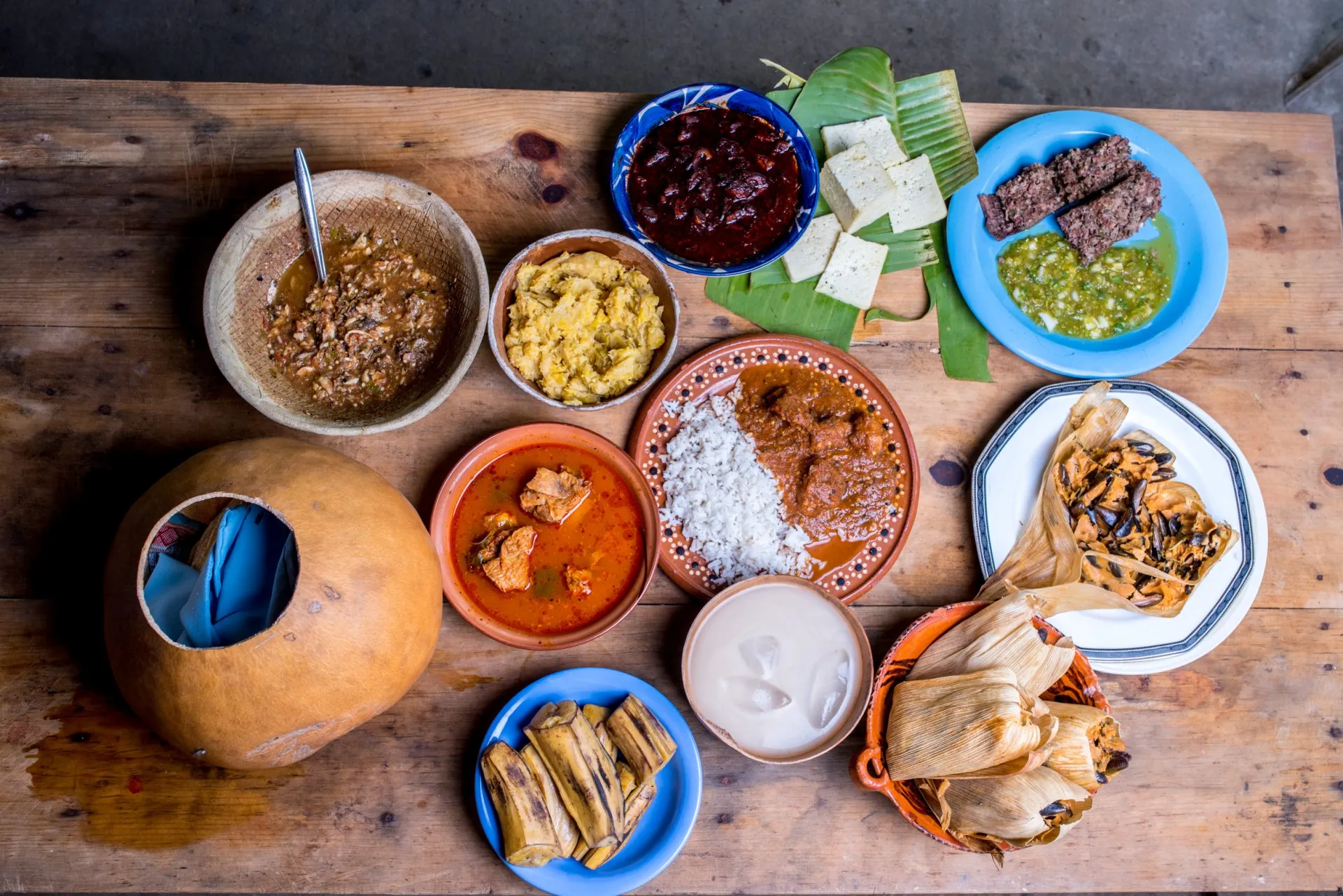
So the traditional Sunday lunch in Mexico consists of big pots of pozole, stacks of fresh tortillas, slow-cooked barbacoa, or hearty mole that anchor the table, and the Mexican mid-day meal becomes a spread of taste mingled with connections.
The Middle East: Shared Platters, Shared Stories
In many Middle Eastern homes, Sunday suppers revolve around communal dishes. Large platters of rice, roasted meats, stuffed vegetables, and fresh salads are placed at the center of the table. Meals are meant to be shared, reinforcing hospitality and togetherness.
Appetizers and Salads (Mezze): A Middle Eastern meal typically starts with a selection of mezze, served with warm pita or Syrian flatbread. Common mezze include hummus, a creamy chickpea dip, baba ganoush, a smoky eggplant dip, and salads like tabbouleh and fattoush. Falafel, deep-fried chickpea or fava bean patties, are also a popular choice.
Main Courses: Sunday lunch idea for main dishes often involves slow-cooked meats, stews, or grilled options. Popular choices include shawarma, thinly sliced roasted meat, shish kebabs or kofta, maqluba, a layered rice dish, and chicken or vegetable tagine, a hearty stew.
Desserts: End the meal with rich, sweet pastries like baklava, a flaky filo pastry with nuts and syrup, or kunafa, a dessert with cheese or cream and shredded phyllo dough.
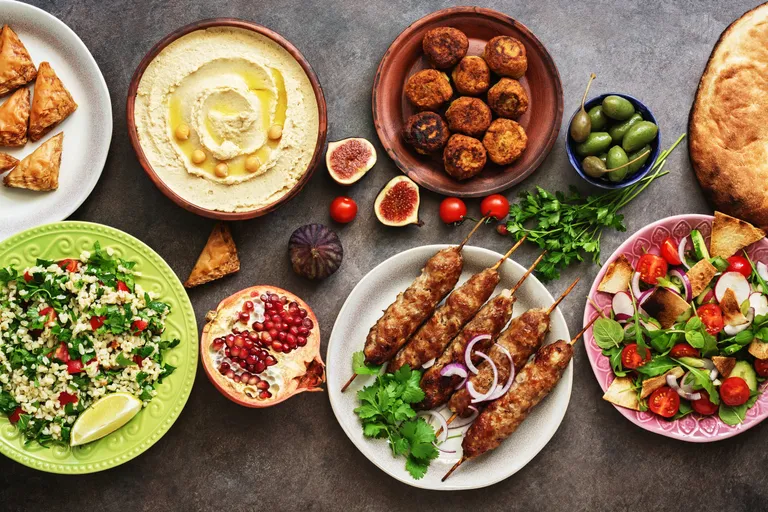
The Middle Eastern Sunday lunch food idea becomes a way of honoring guests and strengthening family ties.
People Are Curious About:
1. What is the tradition of Sunday lunch/dinner?
Ans) The tradition of Sunday lunch or dinner centers around families gathering at the end of the week to share a leisurely, home-cooked meal. Rooted in religious observance and rest days in many cultures, Sundays became a time for togetherness, conversation, and comfort food. From roasts in Europe to elaborate family spreads in Asia, Sunday meals symbolize bonding, gratitude, and slowing down together.
2. Who invented Sunday lunch?
Ans) Sunday lunch wasn’t invented by a single person but evolved naturally through history. In Christian cultures, Sunday was a day of worship and rest, followed by a communal meal. Over time, families made this meal more elaborate since everyone was home. Similar traditions appeared globally, shaped by local customs, religious practices, and the idea of sharing food after a day of rest.
3. What is so special about the Sunday dinner tradition?
Ans) Sunday dinner is special because it prioritizes connection over convenience. It’s often the one meal where families pause busy schedules to sit together without rush. Recipes are usually comforting, traditional, and passed down through generations. The ritual creates emotional security, strengthens relationships, and builds lasting memories, making it about far more than just the food on the table.
4. What are the 4 types of meals?
Ans) The four main types of meals are breakfast, lunch, dinner, and supper. Breakfast starts the day with lighter or nourishing foods. Lunch is typically a midday meal, often balanced and filling. Dinner is the main evening meal in many cultures, while supper is typically lighter and served later in the evening, depending on lifestyle, tradition, and regional customs.
5. Which one is easier to plan, Sunday lunch or Sunday supper?
Ans) Sunday lunch is generally easier to plan than Sunday supper. Lunch allows more preparation time during the morning, and suits elaborate dishes that need slow cooking. Supper tends to be lighter and more flexible but may feel rushed if the day runs late. Lunch also works better for family gatherings, making it a popular choice for traditional Sunday meals.
A Universal Language of Love
Whether it’s an Italian nonna’s sauce, an Indian family’s spice-laden feast, or a Caribbean cookout under open skies, Sunday suppers speak the same language. They remind us that food is memory, family is home, and the most meaningful meals are the ones shared.
In every culture, Sunday at the table isn’t just about what’s cooked, it’s about who’s there.
Written By - P. Manika (Performist Content Writer)
