Spice And Thai: Kitchen Tips For Better Thai Main Course Meal at Home
May 12, 2026
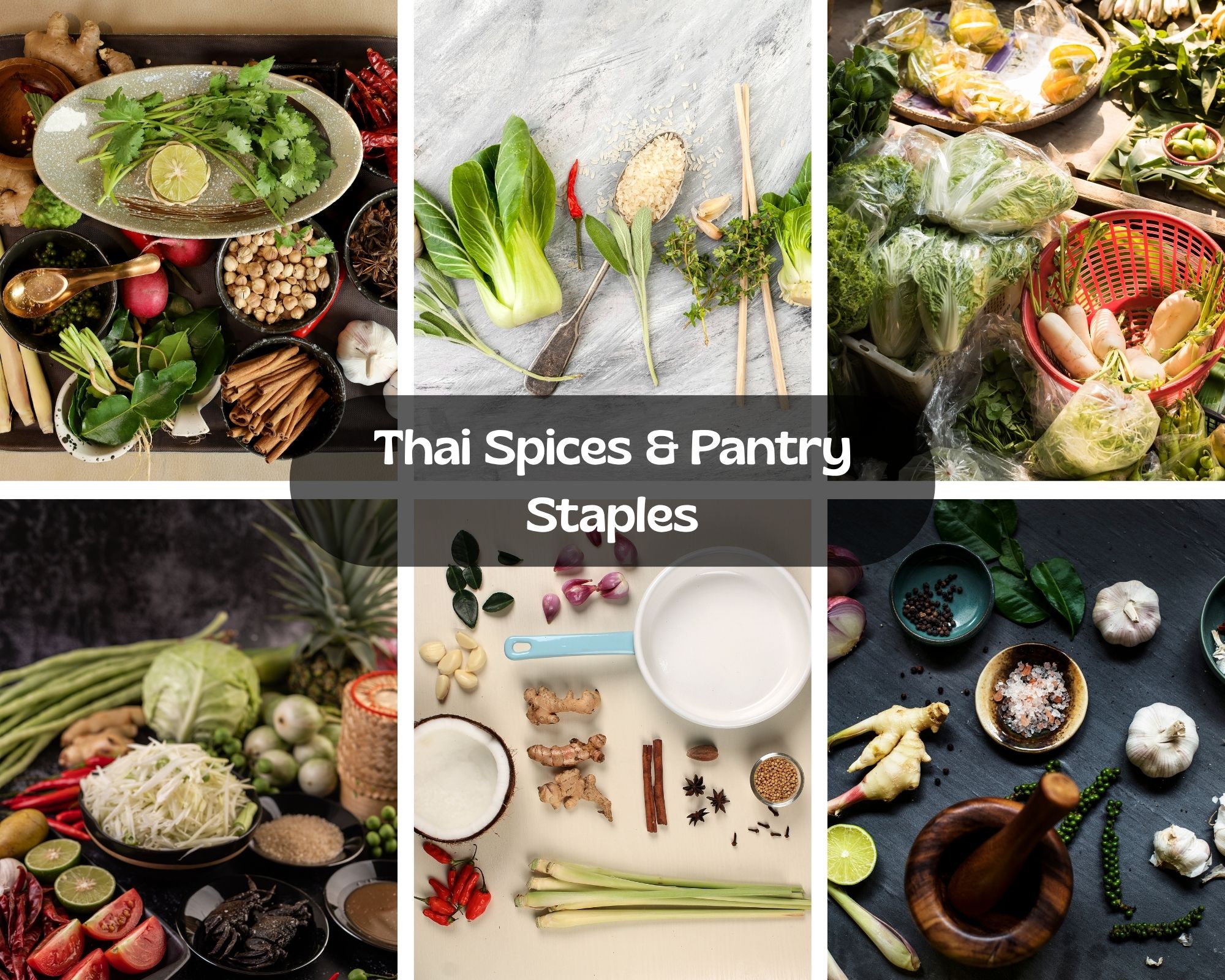
Every cuisine has its own touch of magic, and however much you explore through restaurants, the authentic taste is ingrained in the indigenous cultural spices. And if you’re also a cooking fan of the underrated Thai cuisine magic, here are a few kitchen secrets you should absolutely know before trying to recreate authentic Thai flavors at home.
Most people think of spice and Thai go hand in hand or coconut-heavy, but traditional Thai cooking is actually built on balance. Every dish aims to harmonize sweet, salty, sour, spicy, bitter, and umami flavors in a way that feels layered yet effortless. That’s why even the simplest Thai soups or stir-fries taste deeply satisfying. The good news is you don’t need a restaurant or complicated techniques to cook flavorful Thai main course meals at home. What truly matters is understanding the philosophy behind Thai cooking, stocking the right pantry staples, and learning a few smart kitchen habits that instantly elevate your dishes.
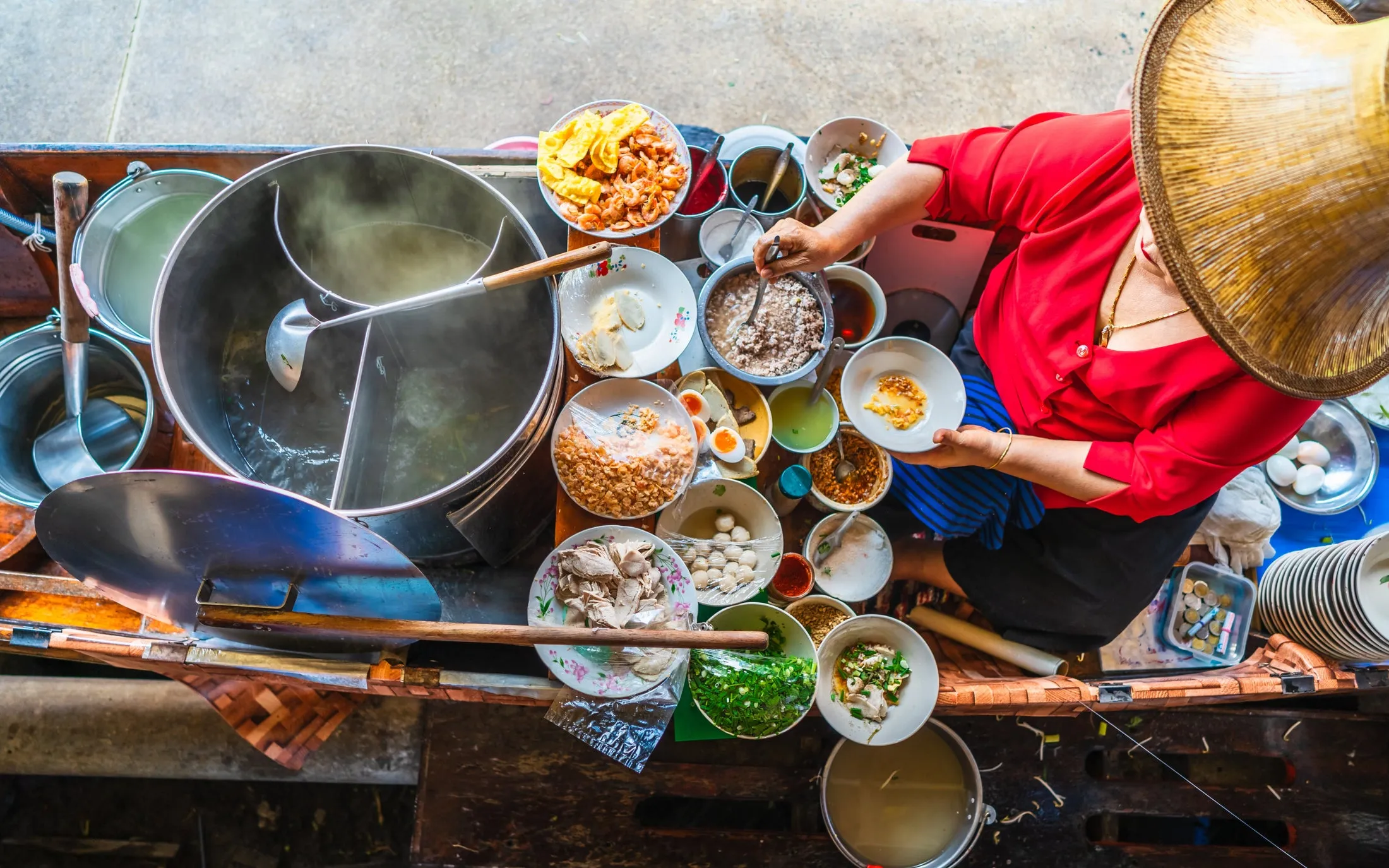
So if you love Thai cuisine beyond just Pad Thai and green curry, here are the kitchen tips, tricks, and essentials you should keep in your kitchen to master the art of vintage classic recipes from Thai cuisine, balancing flavors.
Thai Cuisine: Bold Flavors That Keep You Hooked
Thai food activates every part of your palate. Combining heat, bright acidity, sweetness from palm sugar, saltiness, freshness, and creaminess. Unlike cuisines where one flavor dominates, Thai food thrives on contrast and harmony. That’s why dishes feel refreshing but comforting, light yet rich, spicy without becoming overwhelming. And once you understand this balance, cooking Thai food becomes far less intimidating.
The 5 Core Top Spice Thai: Flavours You Should Always Balance
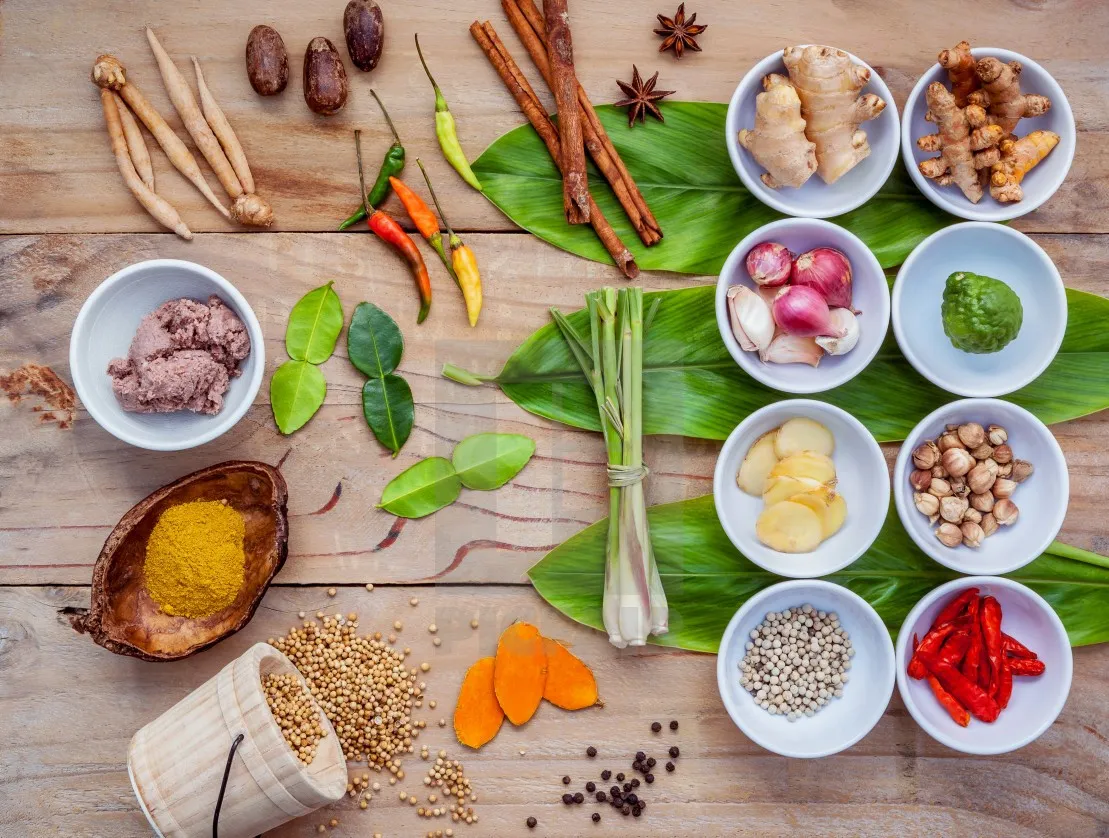
- Sweet: Thai sweetness is usually subtle and natural rather than dessert-like, with ingredients like palm sugar, Coconut milk, and sweet soy sauce. Remember, always add sweetness gradually. It should soften sharp flavors, not overpower them.
- Salty: Saltiness forms the backbone of many Thai dishes with the Fish sauce, Soy sauce, Oyster sauce, and Shrimp paste. If you are not accustomed to fish sauce, it may smell intense initially, but when cooked properly, it adds deep umami richness rather than “fishiness.”
- Sour: Lime juice, Tamarind paste, Green mango, and Vinegar are used in Thai food for brightness and freshness. Yet add lime juice at the end of cooking to preserve freshness and aroma.
- Spicy: Thai cuisine includes heat that is vibrant rather than simply aggressive, with bird’s eye chilies, dried chilies, and chili paste. Try to balance spice with coconut milk or acidity rather than removing it completely.
- Umami & Herbal Depth: Thai cuisine relies heavily on aromatic herbs like lemongrass, galangal, kaffir lime leaves, and cilantro roots, not to forget the basil leaf in Thai cuisine. These ingredients create the signature fragrance that makes Thai food instantly recognizable.
Thai Pantry Essentials & Kitchen Tips To Indulge in Thai Main Course Meals
If you are tired of ordering takeout and eating the same repetitive dish, and wish to dive into regional classic vintage grandma-style Thai recipes with authentic flavor, these are the staples worth keeping in your kitchen.

Essential Thai Pantry List
- Sauces & Pastes: Fish sauce, Soy sauce, Oyster sauce, Tamarind paste, and Thai curry paste
- Aromatics: Garlic, Shallots, Lemongrass, Ginger or galangal
- Dry Ingredients: Jasmine rice, Rice noodles, Coconut milk, Palm sugar, Chili flakes
- Fresh Herbs: Thai basil, Cilantro, Kaffir lime leaves
Once these basics are stocked, you can make countless Thai dishes quickly and easily.
Kitchen Tricks That Instantly Improve Thai Cooking
- Taste Constantly While Cooking: Thai food is all about adjusting balance, so taste and tweak. There is no “perfect formula”; balance depends on ingredients and personal preference.
- Prep Everything Before Cooking: Thai cooking moves very quickly once the heat is on. So keep your ingredients ready and handy, prepare your herbs, sauces, vegetables, and proteins before starting. This keeps stir-fries fresh and prevents overcooking, so get accustomed to the proper method of storing food, herbs, and ingredients.
- Don’t Overcook Herbs: Fresh herbs lose flavor quickly. Be it basil leaf in Thai cuisine, Cilantro, or lime leaves, add them toward the end for maximum aroma.
- Use High Heat for Stir-Fries: Thai stir-fries rely on quick, intense cooking. The High heat helps retain vegetable crunch, develop a smoky flavor, and prevent sogginess. A hot wok or pan makes a huge difference.
- Balance Coconut Milk Carefully: Coconut milk should support flavors, not drown them. Too much can make dishes heavy and overly rich, creamy and overly sweet. The best Thai curries still taste fresh and vibrant despite their creaminess.
Beginners Mistakes With Spice and Thai Food
- Overloading sugar, remember Thai food is all about balance, not being candy-sweet.
- Using lemon instead of lime, lemon is okay, but lime gives a sharper, fresher acidity essential to Thai dishes.
- Many skip the Fish sauce, which is foundational to authentic flavor. Even vegetarian versions often replace it with fermented umami alternatives. Fair, but if you are non-vegetarian, rely on the fish sauce, which enhances the umami flavours.
- Cooking everything too long in Thai dishes doesn't work; they are usually quick-cooked to preserve freshness and texture.
Easy Thai-Inspired Kitchen Upgrades
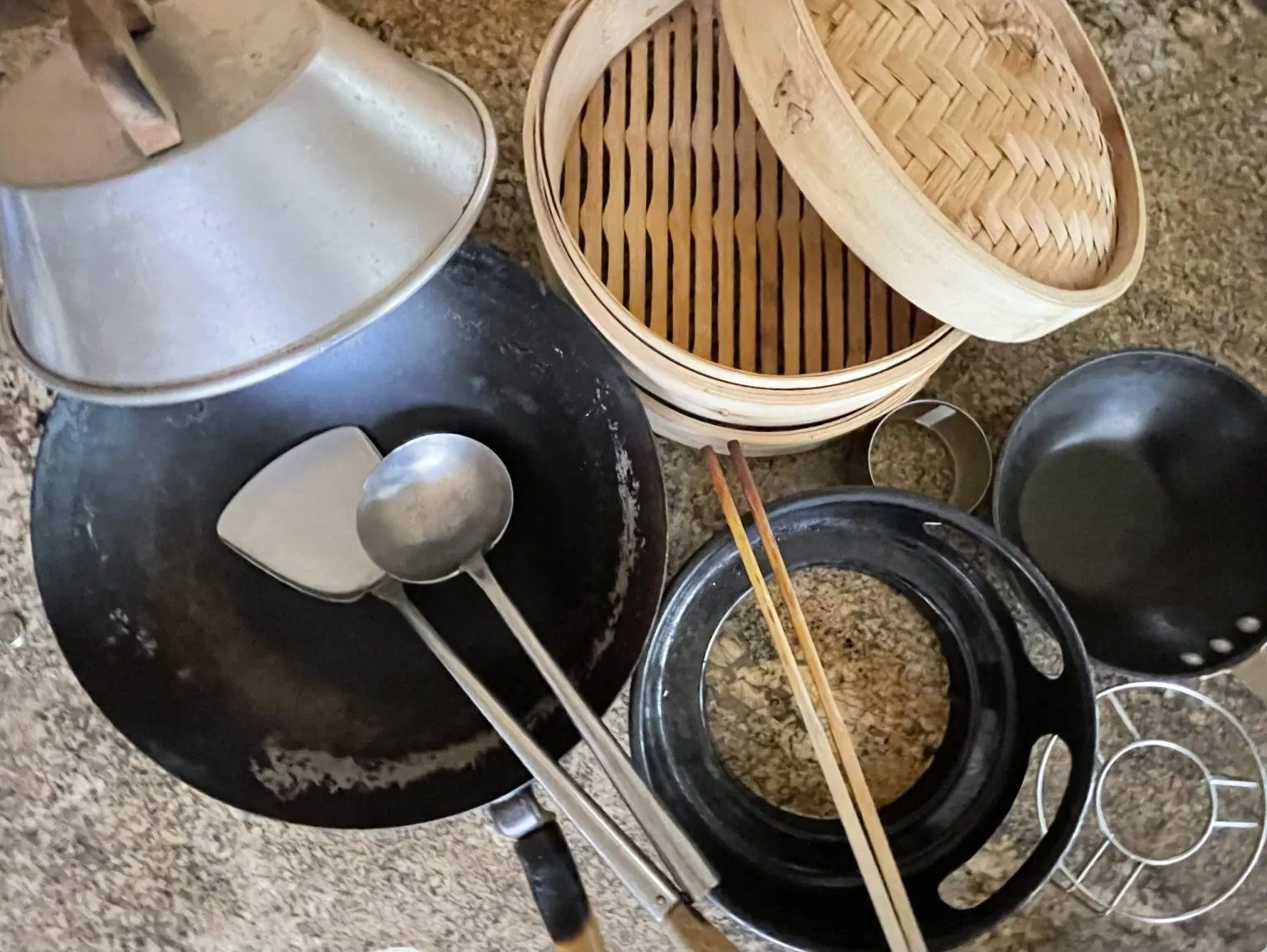
If you are food indulgent and like authentic flavour and want to make a Thai main course meal a part of your diet and make your kitchen feel more Thai-cooking friendly, you can start with:
- Small Mortar & Pestle: They are perfect for crushing herbs and making fresh curry pastes.
- Rice Cooker: Jasmine rice cooks beautifully with a consistent texture.
- Wok or Deep Pan: Ideal for stir-fries and high-heat cooking, your normal utensil would just burn the food. Heavy base woks and pans work great for Thai foods.
- Herb Storage Containers: Fresh herbs are the heart of Thai cuisine. Prepare suitable containers so you don't have to worry about not finding Thai spices on time.
Frequently Asked Questions:
1. How to make Thai 7-spice?
Ans) Thai 7-spice is usually made by blending coriander seeds, cumin, white pepper, star anise, cinnamon, cloves, nutmeg, and dried chili. Toast the spices lightly and grind them into a fine powder. It is commonly used in Thai curries, grilled meats, stir-fries, and marinades for a rich aromatic flavor.
2. What are the most common Thai ingredients?
Ans) Common Thai ingredients include lemongrass, galangal, kaffir lime leaves, Thai basil, fish sauce, coconut milk, chilies, garlic, tamarind, shrimp paste, and jasmine rice. These ingredients create Thailand’s signature balance of spicy, sweet, salty, sour, and aromatic flavors in traditional dishes and curries.
3. What is Thai spice used for?
Ans) Thai spice blends are used to enhance curries, soups, noodles, stir-fries, grilled meats, seafood, and rice dishes. They add heat, aroma, and depth of flavor. Thai spices are also popular in marinades, dipping sauces, and street food recipes for their bold and vibrant taste.
4. What is Thai 5-spice?
Ans) Thai 5-spice is a fragrant seasoning blend inspired by Asian flavors, typically containing star anise, cinnamon, cloves, fennel, and pepper. It is used in roasted meats, soups, curries, and stir-fries to add sweet, warm, and slightly spicy notes to Thai-inspired dishes and marinades.
5. What are some of the most famous Thai restaurants?
Ans) Some famous Thai restaurants include Nahm, Sorn, Bo.lan, Spice and Dice, Gaggan, Sawasdee Thai Cuisine Restaurant, and Blue Elephant. These restaurants are globally recognized for authentic Thai cuisine, innovative presentation, and rich traditional flavors.
Final Touch of Spice
Thai cuisine is one of the world’s most beautifully balanced food traditions, yet many people only experience a tiny portion of it through takeout staples. So if you want to explore the street style, authentic Thai food at home, keep some ingredients handy, and cook up a meal for yourself.
Once you understand the core philosophy behind Thai cooking, that is harmony, freshness, and layered flavor, recreating authentic meals at home becomes much easier and more enjoyable. One reason Thai food feels emotionally satisfying is that it stimulates multiple senses at once. And with the right pantry essentials, smart kitchen habits, and a little confidence in balancing flavors, your home cooking can instantly become brighter, fresher, and far more exciting.
To know more such kitchen life tips and tricks to prepare your favourite vintage classic grandma recipes from different cuisines with authentic flavours, learn global cooking techniques, find hidden traditional recipes, and to get meal-prep ideas to prepare comforting dishes from around the world, keep following Recipesliving.
– P. Manika (Performist Content Writer)
