One Platter, Endless Flavours: A World of Flavours Charcuterie Across Cultures
January 12, 2026
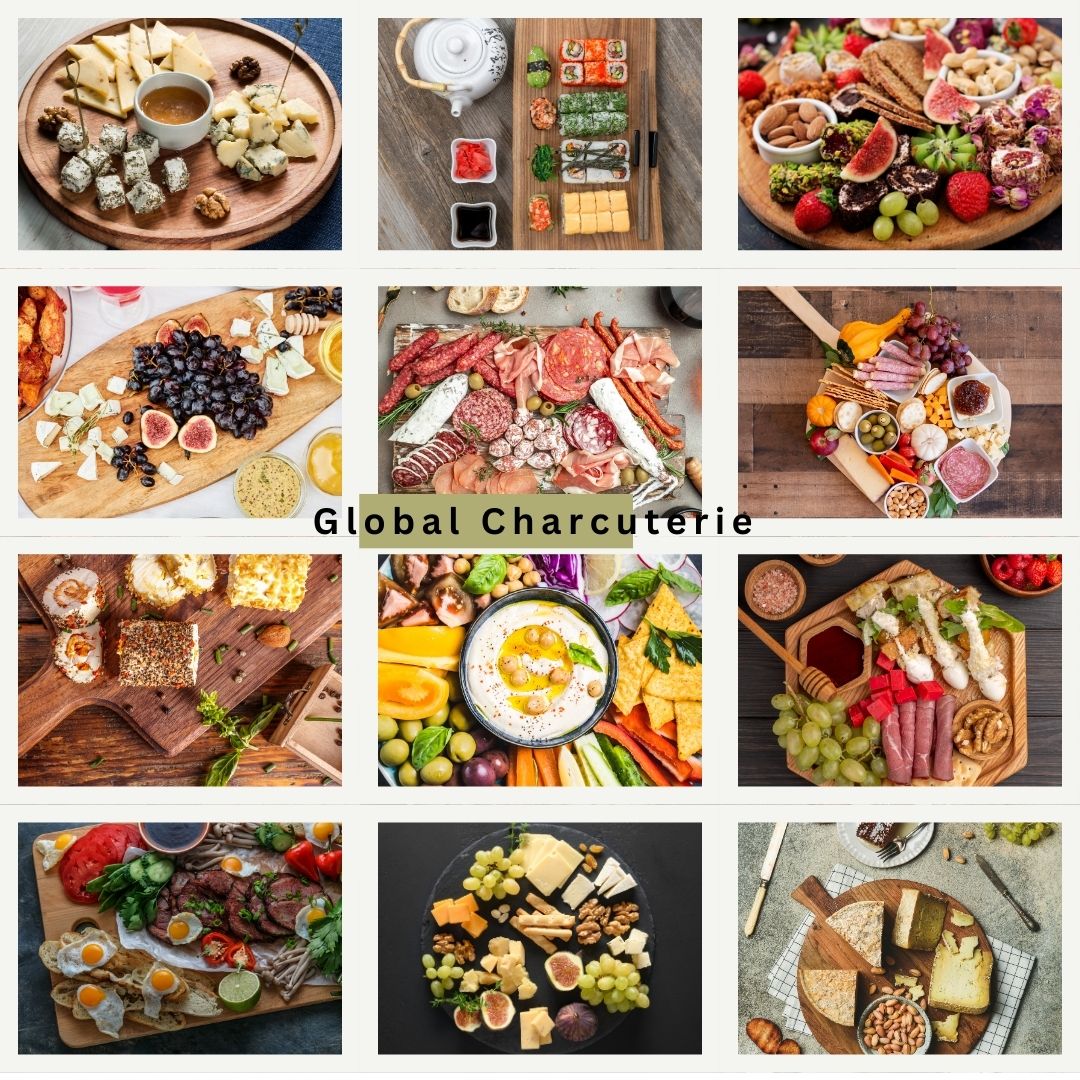
As food travels across borders and cultures, some ideas become global favourites, yet many of them leave us wondering what they truly mean. Charcuterie board is one such term. You must have seen it on café menus, party tables, and social media spreads, beautifully arranged and endlessly photographed.
Hosting parties is my thing, and this holiday, I decided that instead of traditional starters, why not opt for the trending global charcuterie board? And with that began my curiosity and exploration about exactly what a charcuterie board is, and how to plan one without feeling overwhelmed.
In this blog, let’s deconstruct the charcuterie board together. Think of it as less about rules and more about storytelling, tastes, mood, and the people you’re sharing it with. From understanding what belongs among charcuterie board ingredients to discovering easy, crowd-pleasing combinations that feel inviting, personal, and effortlessly delicious.
What Is a Charcuterie Board?
Charcuterie, meaning a board that is a thoughtfully arranged platter of cured meats, cheeses, breads, fruits, spreads, and accompaniments designed for sharing. This originated in France, where the word charcuterie traditionally referred to the art of preparing and preserving meats.
Over time, the concept evolved into the beautiful, customizable boards we know today, celebrating balance, texture, and variety of flavours rather than strict rules. Replacing the traditional heavy prep starters and elaborate menu, they are simple with raw or textured ingredients that enhance the taste of the spread. Today, charcuterie boards are as much about experience as they are about food.
The Charcuterie Moment: Art of Grazing Boards That Belong Everywhere
Charcuterie boards' ingredients are varied and keep on changing according to the region, and they are a carefully crafted combination that suits the regions they are prepared in. For instance, while the classic board is European, nearly every culture has its own version of shared platters, each of which reflects local ingredients and the cultural love of eating together.
France & Italy: Cured meats, aged cheeses, olives, and crusty bread dominate.
Spain: Tapas-style boards with jamón, manchego, almonds, and marinated vegetables.
Middle East: Mezze spreads with hummus, labneh, olives, pita, and pickles.
Asia: Bento-inspired boards featuring dumplings, pickled vegetables, rice crackers, and dipping sauces.
India: Modern boards may include spiced nuts, paneer, chutneys, papad, and fresh fruits.
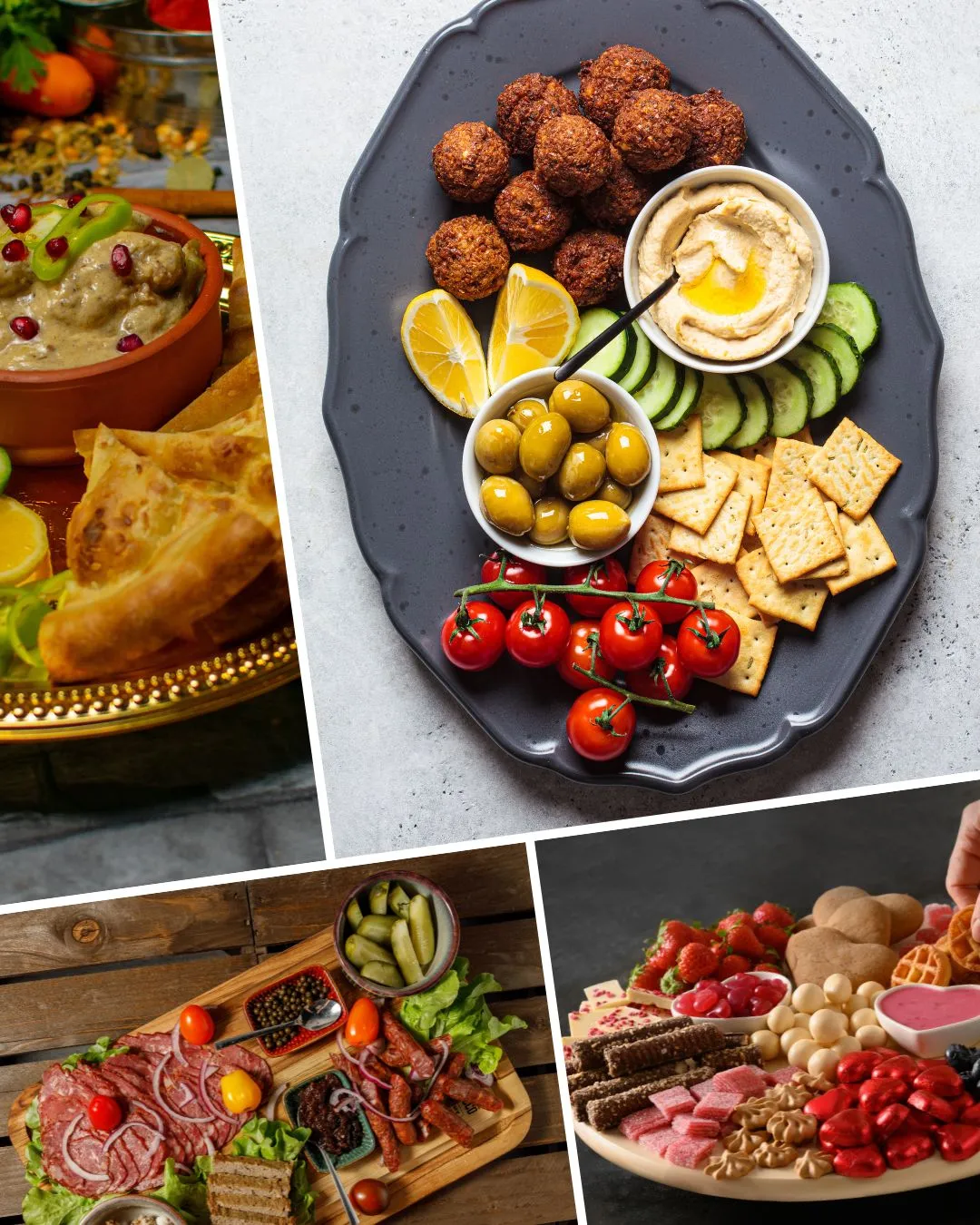
With this wide range of charcuterie board ingredients, they’re especially popular at gatherings because they invite sharing, exploration, and connection, no formal plating required. Yet they fit seamlessly into any meal of the day:
Brunch: Light cheeses, fresh fruits, honey, yoghurt, and pastries make for a relaxed, social spread.
Lunch: Paired with salads or soups, charcuterie offers a casual yet satisfying meal.
Dinner: Often served as a starter or a grazing-style main, perfect for slow evenings and conversation.
Charcuterie Board Goals: Five Ways to Build From Classic to Creative
Global cheese charcuterie boards are trending, giving their aesthetic culinary appeal and easy-to-make nature. Here are some classic charcuterie board ideas that you can give a try.
Classic European Board
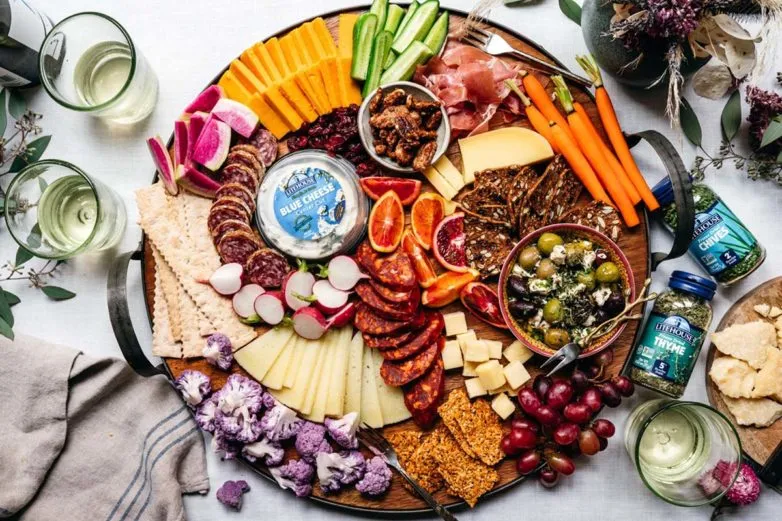
A timeless combination of brie, cheddar, salami, prosciutto, olives, grapes, crackers, and artisanal bread, perfect for wine nights and elegant dinners.
Mediterranean Mezze Board

Adding the Mediterranean touch with Hummus, baba ganoush, falafel, feta, olives, roasted vegetables, and warm pita bread, we can create a vibrant, plant-forward charcuterie board spread.
Breakfast & Brunch Board
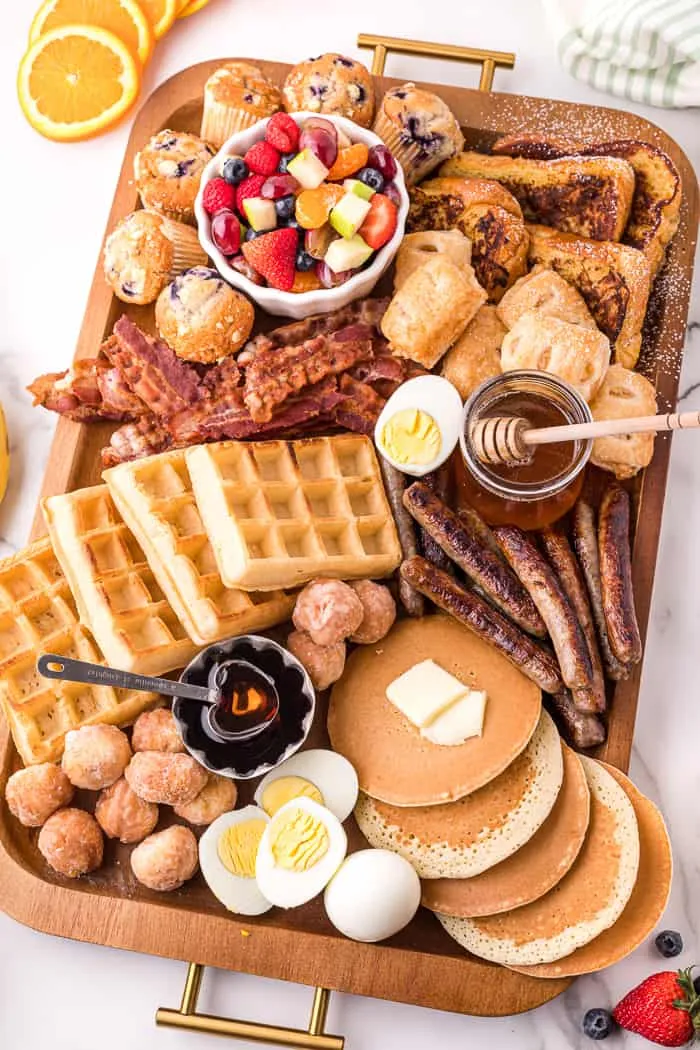
Croissants, mini pancakes, yoghurt bowls, berries, granola, honey, cheeses, and boiled eggs, the ideal for a lazy weekend morning charcuterie board
Asian-Inspired Sharing Board
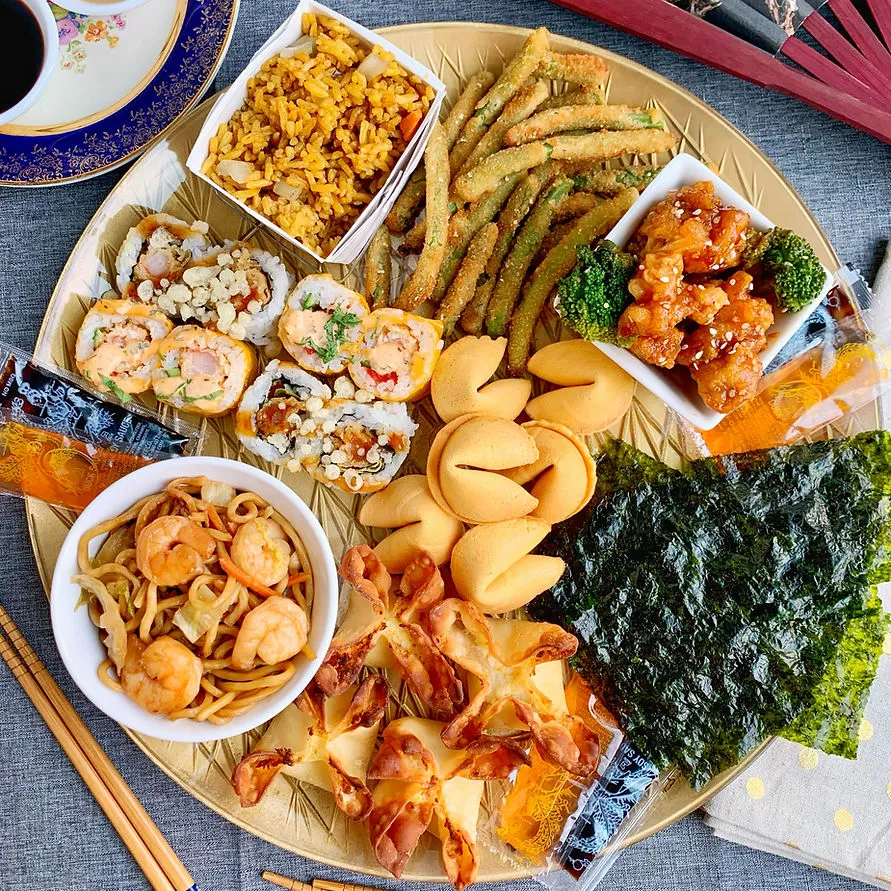
Adding the classics like steamed dumplings, spring rolls, edamame, pickled vegetables, rice crackers, and soy-based dips to bring the bold flavours and variety of Asian cuisine to the global charcuterie board.
Indian Fusion Board
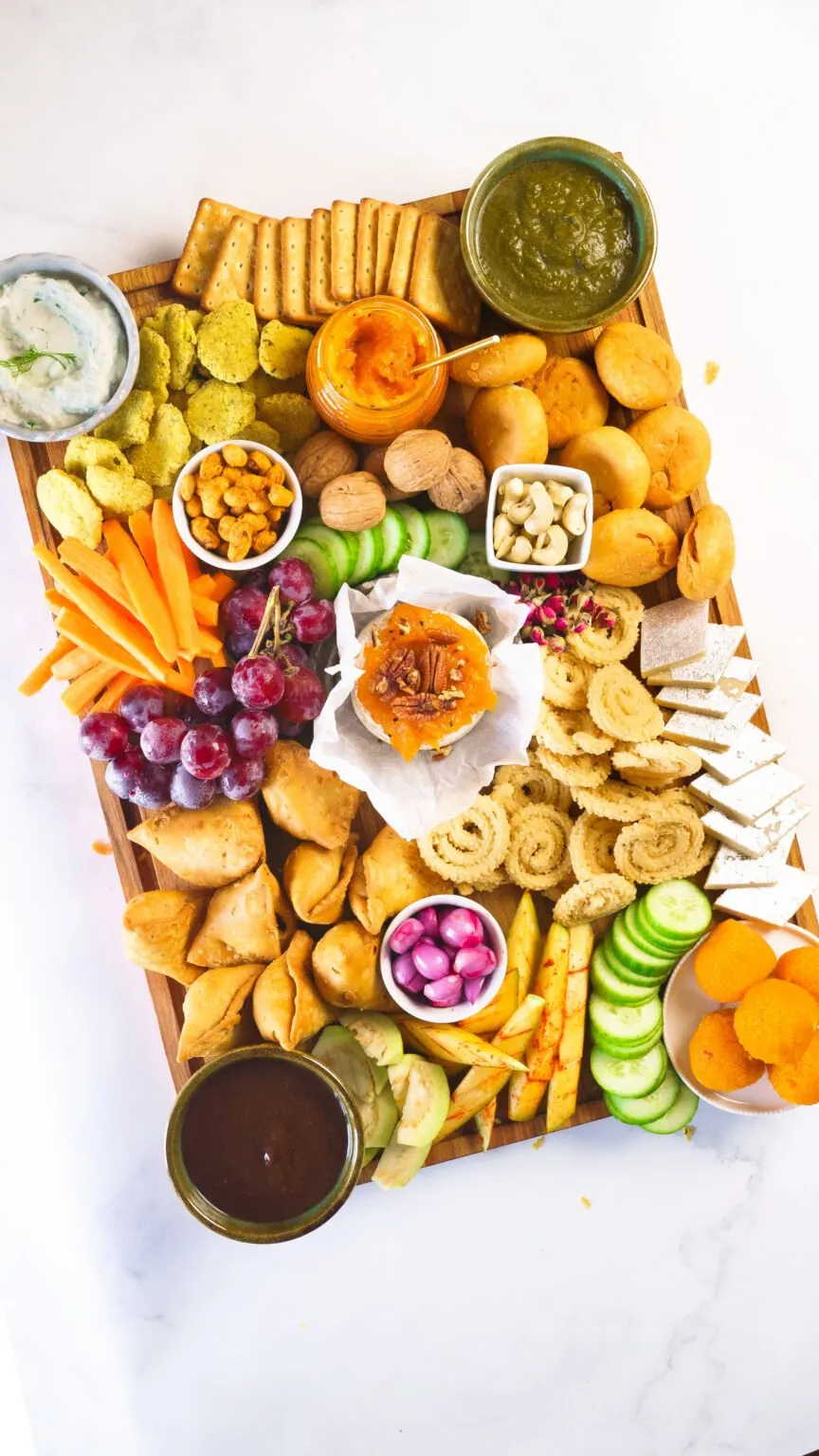
Well, how can I forget the desi touch, adding Paneer cubes (grilled/pan-fried), spiced nuts, roasted papad, mint chutney, mango pickle, fruits, and mini parathas, combining tradition with modern presentation on the global charcuterie board.
The Charcuterie Effect: From Ordinary to Indulgent Weekend Meals
A charcuterie board turns meals into moments. It encourages guests to linger, taste, talk, and share. There’s no pressure of formal courses, just good food arranged with care. Whether it’s brunch with friends, a casual lunch, or an intimate dinner, a board adapts to your mood and menu.
It’s also endlessly customizable, making it ideal for dietary preferences, seasonal ingredients, and creative expression.
In a world that moves fast, charcuterie boards invite us to slow down. They remind us that food doesn’t have to be complicated to be special, just thoughtful and shared. With a single platter, you can bring global flavours to your table and transform any weekend brunch, lunch, or dinner into a warm, memorable experience. Sometimes, the best meals aren’t plated; they’re shared.
Written by - P. Manika (Performist Content Writer)
