One Pan Wonder: Mastering The Art of Making Ratatouille
November 03, 2025
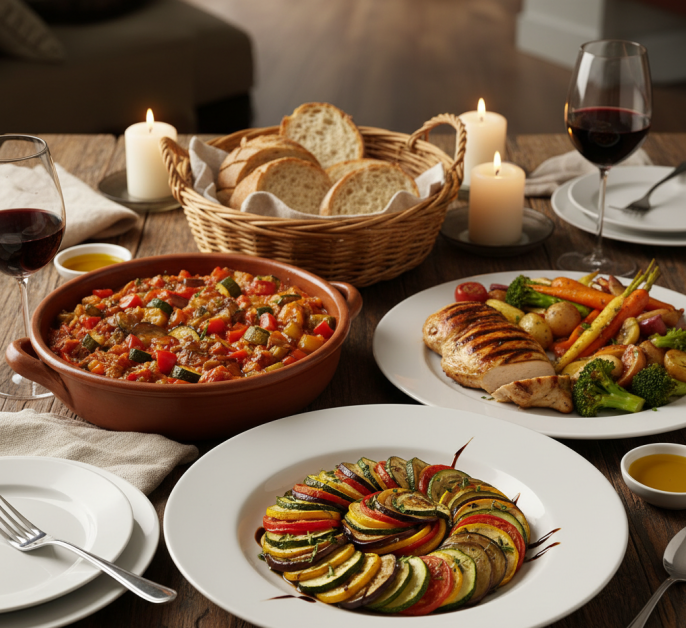
The image of freshly baked Ratatouille from the movie with that plating is still vibrant in my mind. And do not confuse it with the movie Ratatouille. This is a dish made in the French, a Provençal style of stewed vegetables. It was then decided I would make this dish, with simple ingredients, which is a flavor-busting heaven. While exploring, I tried both the authentic traditional Ratatouille recipe and the chef's style; it's not much different, just the assembly and plating as shown in the movie, if you know you know. Today, I will share with you both the version in one-pot meal version so you can enjoy the signature dish in the comfort of your home.
So, bringing from the Italian ensemble to culinary kitchens, the quick recipe in detail for traditional and restaurant-style Ratatouille at home, for your indulgent dinner nights and fancy meal preps. Whether you are planning a dinner night with friends or family, this dish can be your showstopper with Ratatouille as the main character. You can have sausage, grilled chicken, salad, or garlic bread as side kicks.
What Makes Ratatouille Special in Global Dishes?
Ratatouille is an authentic French dish embodying the rustic French home cooking, with fresh produce, slow-cooked in olive oil, and infused with herbs. It’s the essence of Southern France on a plate. The Ratatouille ingredients are simple veggies, and this dish turns humble vegetables into a dish bursting with Mediterranean flavor. It’s proof that simplicity, when done right, can taste gourmet.
Though it’s a peasant dish at heart, chefs worldwide have reimagined it in elegant, layered presentations, thanks to the Ratatouille movie! It’s one of the few dishes that’s both comfort food and culinary art. You can enjoy it warm, cold, or at room temperature, adapting beautifully to any meal. Packed with fiber, antioxidants, and vitamins, Ratatouille is a guilt-free comfort dish that fits nearly every diet.
How To Make Ratatouille at Home:
Ingredients (Serves 4):
Vegetables (cut into even 1-inch cubes or circular slices)
Eggplants (brinjals) – 2 medium
Zucchini (green & yellow if available) – 2 medium
Red bell pepper – 1 large
Yellow bell pepper – 1 large
Tomatoes (ripe, firm) – 3 large
Onion – 1 large (finely chopped)
Garlic – 6–7 cloves (minced)
Mozzarella ( optional)
For Seasoning & Herbs
Olive oil – 4 tbsp (extra virgin preferred)
Fresh thyme – 1 tsp (or ½ tsp dried thyme)
Fresh rosemary – ½ tsp (optional)
Bay leaf – 1
Fresh basil leaves – a handful, torn
Salt – to taste
Black pepper – freshly ground, to taste
Red chili flakes – ½ tsp (optional for heat)
Extra flavor (Optional)
Tomato paste – 1 tbsp
A splash of balsamic vinegar – 1 tsp (adds depth)
A pinch of sugar – if tomatoes are too tangy
Method:
Start by preparing the vegetables.
Wash them and cut all vegetables into roughly equal sizes for even cooking.
Cut into cubes for the traditional Ratatouille recipe, but for the restaurant-style Ratatouille at home, chop them into circular slices.
Sprinkle a pinch of salt on the chopped eggplant and let it sit for 10–15 minutes; this removes excess moisture and bitterness. Pat them dry with a paper towel.
Now sauté the base
Heat 2 tbsp olive oil in a heavy-bottomed pot or Dutch oven over medium heat.
Add chopped onion and sauté for 3–4 minutes until translucent. Add minced garlic and cook for 30 seconds until fragrant. Stir in tomato paste (if using) and cook for another minute, which deepens the flavor.
Add the Vegetables:
Add eggplant cubes first and cook for 5-7 minutes until they soften slightly.
Then, add zucchini and peppers, toss well in the onion-garlic mixture, then add chopped tomatoes, salt, pepper, thyme, and bay leaf. Traditional ratatouille preparation has each veggie stir-fried separately, but for an easy one-pot recipe, this is good.
Drizzle in the remaining 2 tbsp olive oil and mix gently to coat everything evenly.
Reduce the heat to low, cover the pot partially, and simmer for 30–35 minutes, stirring occasionally.
The vegetables should release their juices and cook in their own steam, soft but not mushy. If it looks too dry, add 2–3 tbsp of water or vegetable broth.
For making Restaurant-style Ratatouille at home, get an oven skillet, casserole, or any evenly spread oven-friendly vessel you have. Coat it with olive oil, spread a layer of tomato paste as per your preference, and start layering the slices of eggplant, onion, tomato, zucchini, and bell peppers vertically one after another, creating a train on the casserole. If you want a cheesy version, add in mozzarella slices in between and place it in a pre-heated oven of about 190°C and bake uncovered for 30 minutes. Do note, the time of baking might vary depending on the veggies you use. If you add squash or sausages, it might take up to 40 minutes.
Finish with Herbs
Once the vegetables are tender and the sauce thickens slightly, turn off the heat, stir in torn fresh basil leaves, and drizzle with olive oil. Adjust seasoning, add a pinch of sugar or vinegar if needed to balance the acidity.
After removing the baked ratatouille, drizzle with rosemary-infused oil and salt as needed. If you have added mozzarella slices, use less salt.
Serve It Up:
Serve warm or at room temperature. Ratatouille tastes even better the next day, after the flavors have melded together.
The authentic French Ratatouille is served as a main dish with crusty French bread or herbed rice. For sides, you can pair it with grilled chicken, fish, salad, or tofu. Use leftovers as a pasta sauce, omelet filling, or topping for bruschetta. Ratatouille is naturally vegan-friendly if you follow the traditional recipe, and if you want cheese in the chef-style version, you can opt for vegan cheese to make a cheesy vegan ratatouille.
That was for the famous fresh dish. For more such recipes, stay tuned. Until then, keep indulging and keep cooking up a storm.
FAQs:
1. Why is it called Ratatouille?
Ans) The word Ratatouille comes from the French verb “touiller,” meaning “to stir up.” Originally a rustic Provençal dish made by farmers, it referred to a simple vegetable stew where ingredients were tossed together and simmered. Over time, it evolved into the elegant, flavorful French classic we know today.
2. What are some common Ratatouille mistakes?
Ans) Common mistakes include overcooking the vegetables, which turns them mushy, and not cooking them separately before combining, leading to bland flavors. Using unripe tomatoes or skipping olive oil and herbs also dulls the dish. Properly layering and seasoning helps retain each vegetable’s texture and vibrant Mediterranean character.
3. Is Ratatouille healthy to eat?
Ans) Yes! Ratatouille is naturally low in calories, rich in fiber, and packed with vitamins and antioxidants from fresh vegetables. Cooked in heart-healthy olive oil and seasoned with herbs, it’s a wholesome, plant-based dish that supports digestion and heart health — a delicious example of balanced Mediterranean eating.
4. What is another name for Ratatouille?
Ans) Ratatouille is sometimes called “Ratatouille Niçoise,” named after Nice, the French region where it originated. Some versions are also referred to as Provençal vegetable stew or Mediterranean vegetable medley, highlighting its roots in Southern France’s sun-soaked produce and traditional countryside cooking style.
5. Do French people eat Ratatouille?
Ans) Absolutely! Ratatouille is a beloved staple in French households, especially in southern France. It’s enjoyed warm or cold, often as a side to grilled meats or fish, or even as a main dish with bread or rice. For many, it’s a nostalgic comfort food symbolizing home-cooked Provençal tradition.
6. What is the difference between Caponata and Ratatouille?
Ans) While both are Mediterranean vegetable dishes, Caponata is Sicilian, made with eggplant, capers, and vinegar for a sweet-sour flavor. Ratatouille, from France, has a milder, herb-based profile using olive oil, thyme, and tomatoes. Caponata leans tangy and rich; Ratatouille tastes earthy, fresh, and delicately aromatic.
– P. Manika (Performist Content Writer)
