Monsoon Kitchens Essentials: Easy Cooking Tips to Keep Your Kitchen Organised
June 26, 2026

Monsoon in India is a season of contradictions. For some, it is the most beautiful time of the year, the aroma of wet earth, steaming cups of chai, and cosy evenings by the window. For others, it brings a new set of challenges, like dealing with traffic or seasonal illness. And for me, it is the tiresome preparation and adjustment to my kitchen. Ingredients spoil faster, vegetables wilt unexpectedly, spices absorb moisture, and cooking feels more demanding than usual. Not to forget, there are monsoon-ready meals I need to prepare, so adjusting my spice and pantry accordingly is another hassle.
All the experienced home cooks would agree that the rainy season requires a little extra planning. Many questions constantly arise: How do you keep ingredients fresh? How do you prevent food from becoming soggy? How do you maintain hygiene when humidity is at its peak? And most importantly, how do you continue cooking nourishing monsoon main course meals without spending hours worrying about preparation and storage?
I have some good news: a few simple kitchen habits can dramatically improve your cooking experience during the monsoon. These are not complicated techniques or expensive solutions. They are my personally practised quick-fix; these are some five-minute traditional practises Indian kitchens have followed for generations to keep cooking efficient, hygienic, and stress-free. I learnt them from my grandma, and today I am sharing the same with you, so keep up.
Rain-Ready Kitchen: Secret Stress-free Monsoon Cooking Habits To Adapt
Morning Ritual: Five-Minute Pantry Check

This step I religiously follow in the rainy season; other times, I might conduct it once a week, as humidity is one of the biggest enemies of monsoon kitchen. Spices, grains, pulses, and flour can absorb moisture quickly, affecting their quality and shelf life.
- So spend a few minutes every morning checking spice containers, flour jars, rice and lentil storage bins, dry snacks and nuts.
- If anything feels damp, transfer it to an airtight container immediately.
- This simple habit prevents food wastage and saves time later.
- A quick daily inspection can stop minor moisture issues from turning into full-blown spoilage.
Wash, Prep & Store: Be Careful With Greens
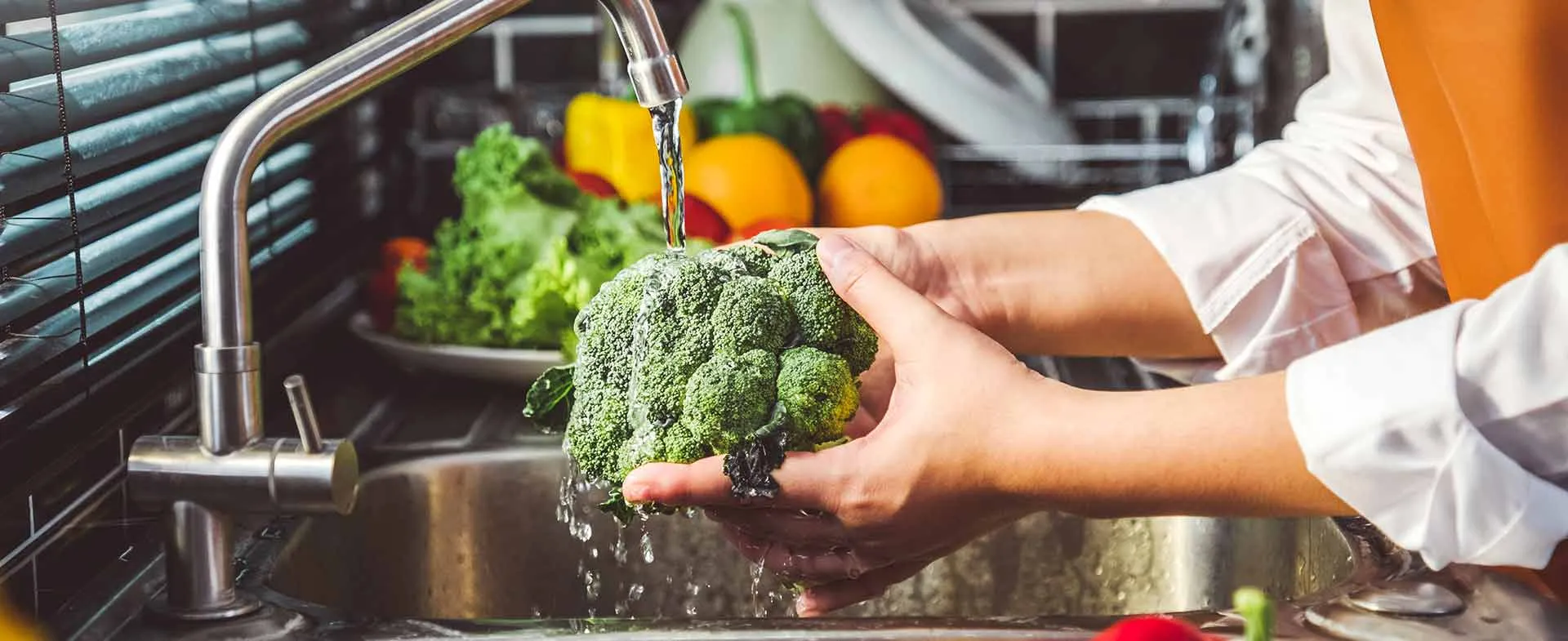
Leafy vegetables and herbs tend to deteriorate rapidly during the rainy season, hence smart veggies and herbs storage is mandatory. So instead of storing them directly in the refrigerator, follow the steps:
- Wash thoroughly
- Dry completely using a kitchen towel
- Wrap loosely in absorbent paper. I remember my grandma used to wrap it in very thin and light cotton cloth.
- Store in airtight containers
- This five-minute effort can extend freshness by several days. You save preparation time during busy weekdays while reducing the chances of spoilage.
Healing Holster: Keep an Immunity Corner Ready
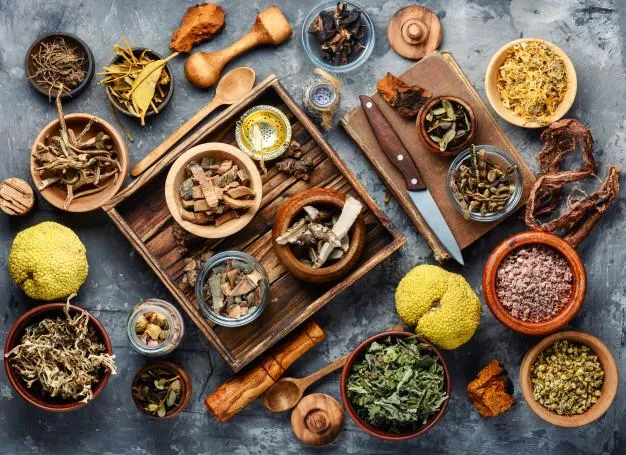
Traditional Indian kitchens always relied on ingredients and concoctions that supported wellness during seasonal changes. If you ever go through Indian traditional vintage grandma’s recipes, they changed a few ingredients or kept them aligned as the season changed. Create a dedicated corner with:
- Tulsi leaves
- Ginger
- Black pepper
- Turmeric
- Garlic
- Cinnamon
Having these ingredients within easy reach encourages you to add them to teas, rasams, soups, and curries. You can quickly prepare immunity-supporting dishes without searching through cabinets.
Before Bed Ritual: Clean Kitchen Surfaces

Well, this one goes without saying: cleaning the kitchen before retiring for the day is a must. And during the monsoon, humidity can encourage bacterial growth much faster than usual. So before ending the day:
- Wipe counters
- Clean chopping boards
- Dry the sink area
- Empty food scraps
This habit takes less than five minutes but creates a cleaner cooking environment for the next day, and you wake up to a fresh kitchen, reducing the risk of contamination.
Small Steps Big Relief: Prepare Batches of Fresh Spice Mixes
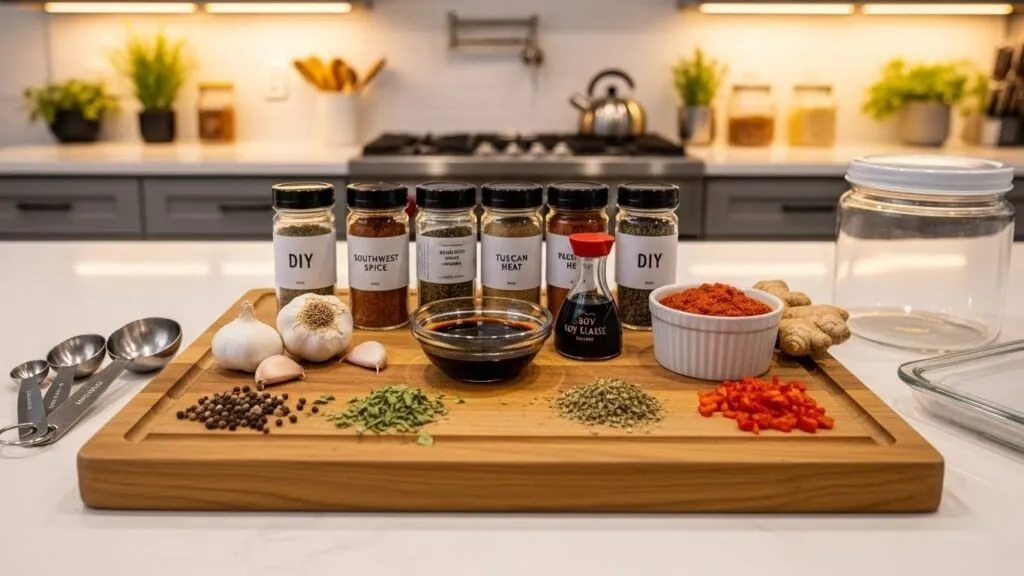
Generally, we like to stock our spices and condiments, and in Indian homes, where we even grind masala ourselves, we prepare a big amount at a time. But avoid it on rainy days, as ground spices can lose aroma quickly during humid weather. Instead of preparing large quantities, do the following:
- Roast small batches weekly
- Grind only what you need
- Store in airtight jars
- Freshly ground spice blends can transform even simple monsoon dishes. This will give you better flavour, aroma, and reduced spoilage.
Be Soup Ready: Soup, Rasam, or Broth Base Premix
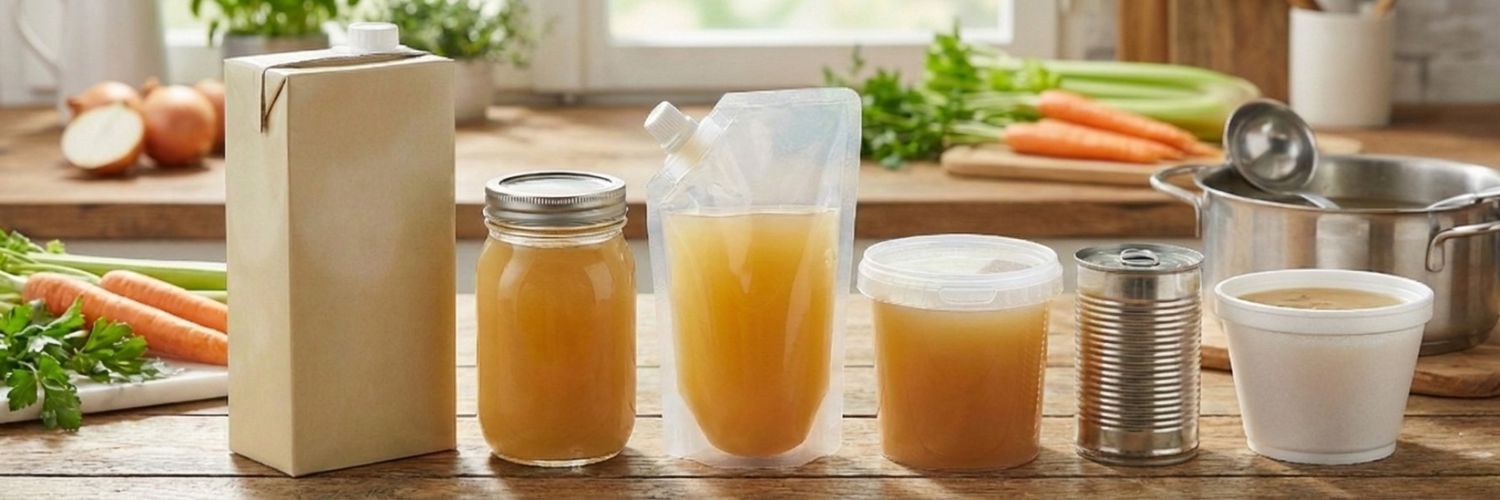
Rainy season often inspires cravings for warm, comforting meals, and with cold and cough being common, soups and Rasam are the best cure. Once every few days, prepare a basic stock or broth. I generally prepare it weekly. Just either grind or boil a base using:
- Tomatoes
- Garlic
- Pepper
- Ginger
- Herbs
Store it in the refrigerator for quick use. You can create soups, rasams, curries, and stews for your quick main course meals in minutes without starting from scratch.
The Golden Monsoon Kitchen Rule: "Cook Fresh, Store Less"
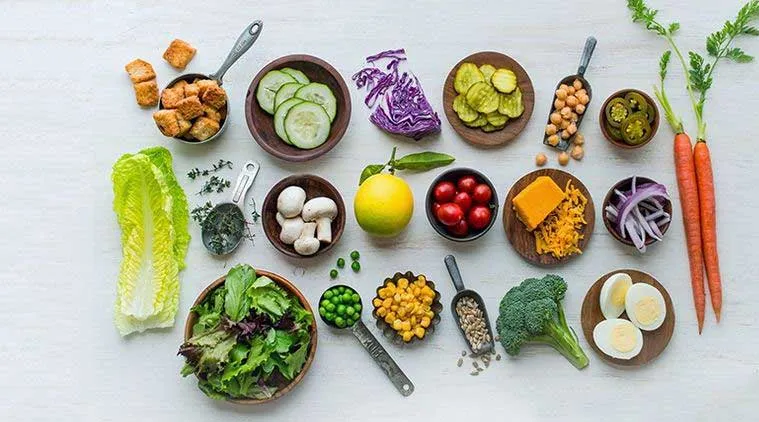
Traditionally indian kitchens rarely prepared excessive quantities, especially during the rainy season; everything was brought fresh and cooked fresh on a daily basis. But with fast city life, we tend to rely on stored food in the kitchen for easy access and quick preparation. This monsoon is the perfect time to:
- Cook smaller portions
- Avoid keeping leftovers too long
- Prioritise fresh meals
- Use seasonal ingredients quickly
- Fresh food tastes better, reduces waste, and minimises food safety concerns during humid weather.
Why These Small Monsoon Kitchen Habits Matter
What makes traditional Indian kitchens remarkable is that they were built around practicality. Long before modern refrigeration and storage systems became common, households developed simple routines that helped them navigate every season.
The monsoon was no exception. These habits may seem small individually, but together they create a kitchen that feels organised, efficient, and far less stressful. Instead of worrying about spoiled ingredients or last-minute preparation, you can focus on what truly matters—creating comforting meals that bring warmth to rainy days.
Frequently Asked Questions:
1. What food is good for the monsoon season?
Ans) During the monsoon, warm and freshly cooked foods are generally preferred. Traditional options such as khichdi, rasam, soups, steamed vegetables, ginger tea, millet dishes, and lightly spiced lentils provide comfort and nourishment. Ingredients like turmeric, garlic, pepper, and tulsi are commonly used to support overall wellness during rainy weather.
2. What are the 5 basic kitchen rules?
Ans) Five essential kitchen rules include maintaining cleanliness, washing hands before handling food, storing ingredients properly, avoiding cross-contamination between raw and cooked foods, and cooking food thoroughly. Following these habits helps improve food safety, reduces waste, maintains hygiene, and creates a more organised and efficient cooking environment every day.
3. Which oil is best for the monsoon season?
Ans) Cold-pressed mustard oil, sesame oil, and groundnut oil are popular choices during the monsoon because they complement seasonal cooking and traditional recipes. Ghee is also commonly used in moderation. The best oil depends on dietary preferences, cooking methods, and overall nutrition goals while ensuring freshness and quality.
4. What not to eat in the monsoon?
Ans) During the monsoon, it is advisable to limit stale food, uncovered street food, raw leafy vegetables from uncertain sources, cut fruits left exposed for long periods, and heavily processed foods. Freshly prepared meals, properly washed ingredients, and hygienic cooking practices help reduce the risk of seasonal digestive discomfort.
5. How to boost immunity during winter?
Ans) A balanced diet rich in protein, seasonal fruits, vegetables, nuts, seeds, and whole grains supports immunity during winter. Adequate sleep, hydration, regular exercise, sunlight exposure, and foods containing vitamin C, zinc, ginger, garlic, and turmeric can help maintain overall wellness and support the body's natural defences.
Final Thoughts
So are you also in a dilemma with how to prep your kitchen for the rainfalls? Well, it doesn't have to be complicated. A few five-minute habits or some frozen food ideas can make the difference between a chaotic kitchen and a calm, enjoyable cooking indulgence.
Just by checking your pantry, prepping ingredients in advance, maintaining cleanliness, and embracing traditional wisdom, you can cook with greater confidence and ease throughout the season of showers. After all, the monsoon is meant to be enjoyed with steaming comfort foods, fragrant spices, and cherished vintage grandma’s recipes passed through generations, not to spend on kitchen management stress.
Sometimes, the smallest habits create the biggest changes, turning rainy-day cooking into one of the most comforting rituals of the year. And do follow us on Recipesliving to get regular updates on more such kitchen life tips, quick main course meal recipes, and a dive into global culinary craft.
By P. Manika (Performist Content Writer)
