Emotional Eating in Winter: Healthy Comfort Foods Without Overeating
January 07, 2026

By Marium Arsalan (Content Contributor for Performist Pte Ltd)
As temperatures drop and daylight hours shrink, many of us notice a shift in our eating habits. Winter has a way of nudging us toward comfort foods—warm, rich, and often indulgent. While there’s nothing wrong with enjoying seasonal treats, winter can also trigger emotional eating, where food becomes a coping mechanism rather than nourishment.
The good news? Comfort and balance don’t have to be opposites. With mindful choices, you can enjoy cozy winter foods that satisfy emotional needs without overdoing calories, sugar, or unhealthy fats.
Why Emotional Eating Increases During Winter

Winter emotional eating isn’t about lack of willpower—it’s often linked to biology and lifestyle changes.
Less Sunlight, Lower Mood
Shorter days can reduce serotonin levels, affecting mood and increasing cravings for carbohydrates and sugary foods that temporarily boost happiness.
Cold Weather Cravings
Your body naturally seeks warmth and energy in colder months, pushing you toward heavier meals.
Social and Lifestyle Shifts
More time indoors, holiday stress, and reduced physical activity can lead to boredom or emotional hunger.
Understanding these triggers is the first step toward healthier winter eating habits.
Emotional Hunger vs. Physical Hunger
Before reaching for food, it helps to recognize why you’re eating.
a) Emotional hunger comes on suddenly, craves specific comfort foods, and often leads to guilt.
b) Physical hunger builds gradually and is satisfied by a variety of foods.
Winter doesn’t mean eliminating comfort—it means choosing foods that comfort and nourish.
Comforting Winter Foods That Won’t Derail Your Health
1. Warm Soups That Nourish and Soothe

Soups are one of winter’s best comfort foods—and one of the healthiest when prepared right.
Best options:
a) Lentil soup
b) Vegetable and bean soups
c) Chicken broth with vegetables
d) Pumpkin or carrot soup (without heavy cream)
Soups provide warmth, hydration, and satiety, helping you feel emotionally and physically satisfied.
2. Oatmeal: The Ultimate Winter Comfort Bowl

Oatmeal isn’t just a breakfast—it’s emotional comfort in a bowl.
Why it works:
a) Rich in fiber, keeping you full longer
b) Supports stable blood sugar levels
c) Naturally boosts serotonin production
Enhance it with cinnamon, nuts, seeds, or a drizzle of honey instead of refined sugar.
3. Roasted Vegetables for Cozy Satisfaction
Roasting brings out natural sweetness, making vegetables deeply comforting.
Try:
a) Sweet potatoes
b) Carrots
c) Brussels sprouts
d) Cauliflower
These provide the warmth and texture of indulgent foods while delivering fiber, vitamins, and antioxidants.
4. Dark Chocolate

Completely avoiding treats can backfire. Dark chocolate (70% cocoa or higher) can actually support emotional balance when enjoyed mindfully.
Benefits:
a) Rich in antioxidants
b) May improve mood
c) Helps satisfy cravings with smaller portions
A square or two is often enough to feel comforted without excess.
5. Herbal Teas and Warm Drinks
Sometimes emotional hunger is really about warmth or comfort, not food.
Best winter options:
a) Chamomile tea
b) Ginger tea
c) Cinnamon or spiced herbal blends
d) Warm milk with turmeric
These drinks relax the nervous system and reduce unnecessary snacking.
6. Nuts and Seeds for Crunchy Comfort
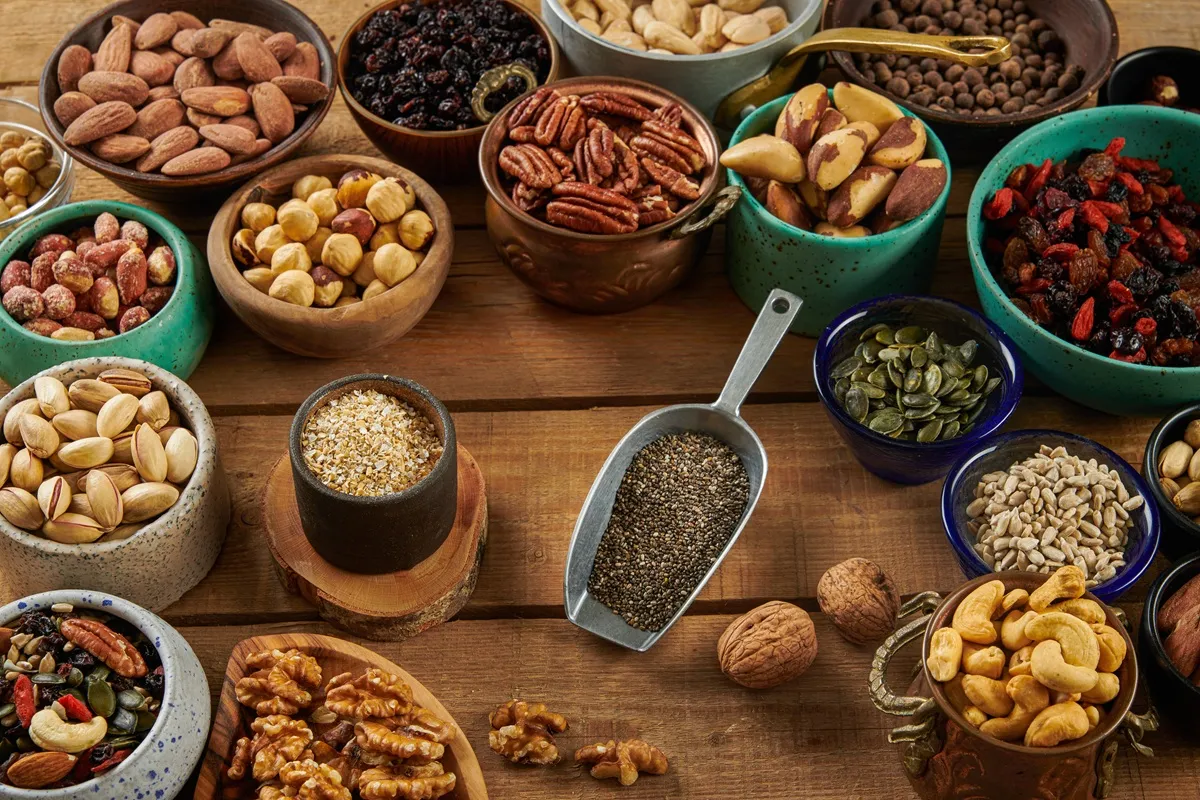
Crunchy snacks are common winter cravings. Nuts and seeds offer a healthier alternative.
Great choices:
a) Almonds
b) Walnuts
c) Pumpkin seeds
d) Sunflower seeds
They provide healthy fats and help regulate hunger hormones—just keep portions moderate.
Foods to Enjoy Mindfully in Winter
Some foods aren’t “bad,” but they’re easy to overeat during emotional moments:
a) Sugary baked goods
b) Cream-heavy pasta dishes
c) Fried comfort foods
d) Processed snacks
Instead of restriction, focus on portion awareness and frequency.
Practical Tips to Manage Emotional Eating in Winter
1. Eat Regular, Balanced Meals
Skipping meals increases emotional cravings later in the day. Aim for meals with protein, fiber, and healthy fats.
2. Create Non-Food Comfort Rituals
Food isn’t the only source of comfort.
Try:
a) Warm showers
b) Cozy blankets and reading
c) Light stretching or yoga
d) Journaling or meditation
These reduce emotional dependence on food.
3. Practice Mindful Eating
Slow down. Eat without distractions. Notice flavors, textures, and warmth. Mindfulness helps you feel satisfied with less.
4. Stay Active (Even Indoors)
Movement boosts mood-regulating hormones. Winter-friendly options include:
a) Home workouts
b) Walking
c) Yoga or Pilates
Physical activity reduces stress-driven eating.
5. Be Kind to Yourself
Winter is not the season for perfection. Emotional eating happens to everyone. Guilt only fuels the cycle—compassion breaks it.
Building a Healthier Winter Relationship with Food
Comfort eating doesn’t need to disappear—it needs to evolve. By choosing foods that are warm, nourishing, and emotionally satisfying, you support both mental well-being and physical health.
Winter is a season of slowing down, reflecting, and caring for yourself. When food becomes part of that care—not a source of guilt—you’ll find balance comes naturally.
Frequently Asked Questions (FAQs)
1. What causes emotional eating during winter?
Emotional eating in winter is often caused by reduced sunlight, lower serotonin levels, colder temperatures, and lifestyle changes such as spending more time indoors. These factors can affect mood and increase cravings for comfort foods, especially carbohydrates and sweets.
2. Is emotional eating in winter normal?
Yes, emotional eating during winter is very common. Seasonal changes can impact mental well-being and appetite. The key is not eliminating comfort foods but choosing nourishing options and practicing mindful eating.
3. What are the healthiest comfort foods for winter?
Healthy winter comfort foods include warm soups, oatmeal, roasted vegetables, herbal teas, nuts, seeds, and small portions of dark chocolate. These foods provide warmth and satisfaction without excessive calories.
4. How can I stop overeating comfort foods in winter?
You can reduce overeating by eating regular balanced meals, identifying emotional triggers, practicing mindful eating, staying active, and creating non-food comfort routines like warm drinks, reading, or relaxation exercises.
5. Can emotional eating lead to weight gain in winter?
It can, especially if emotional eating involves frequent consumption of high-sugar or processed foods. Choosing fiber-rich, protein-balanced meals and portion-controlled treats helps maintain weight during winter months.
6. Are carbs bad for emotional eating cravings?
No, carbohydrates are not bad. Complex carbs like oats, sweet potatoes, and whole grains can actually support mood by stabilizing blood sugar and increasing serotonin production when eaten in moderation.
7. What drinks help reduce emotional eating in winter?
Warm drinks such as herbal teas, ginger tea, chamomile, cinnamon tea, or turmeric milk can provide comfort, reduce stress, and help curb unnecessary snacking caused by emotional hunger.
8. How do I tell if I’m emotionally hungry or physically hungry?
Physical hunger builds gradually and is satisfied by various foods, while emotional hunger appears suddenly, craves specific comfort foods, and is often linked to emotions like stress or boredom.
