Elevate Your Dal Game: Bold Tadka Bigger Flavours
October 31, 2025
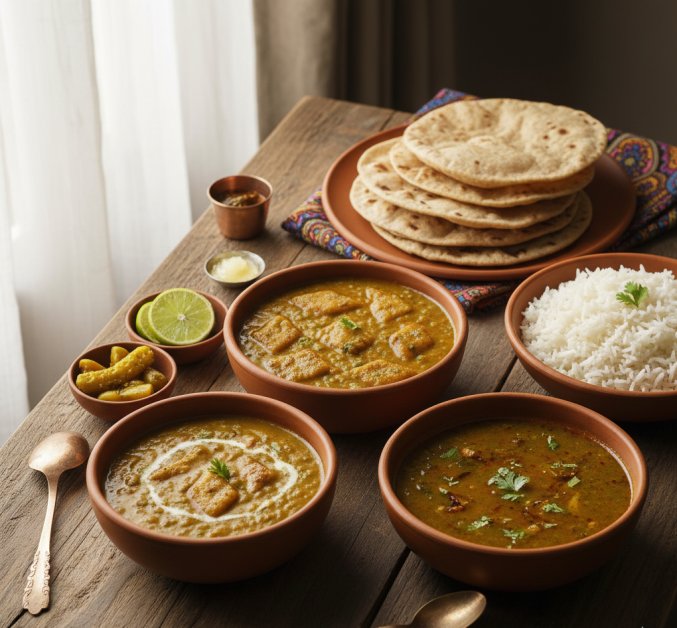
Dal is a comfort food across India with different preparations and flavors; most meals are incomplete without Dal. Be it ‘ tadke wali’ simple dal to a fiesta of ‘Dal bati churm’ and ‘Dal makhani’. It is a comfort in a bowl with a warm hug of homely flavors. Yet the same dal daily would be boring, so today let's try twisting the taste for our regular Dal.
Let's learn three unique Indian dal recipes, each offering a distinct regional flair and texture, so keep up, note the ingredients, and indulge in tasty flavor.
Flavors of India In a Bowl: 3 Recipes 1 Soulful Journey
Dal Dhokli: Reinventing Simple Lentil Soup India
This is a famous regional Gujarati meal dish with soft wheat flour dumplings simmered in a sweet-tangy spice one-pot dal recipe. When I don't want to make a separate sabzi, this is my shortcut for a quick meal. Let's learn how to make Dal dhokli.
Ingredients (Serves: 3-4)
For the Dal:
Toor dal (split pigeon peas) – ½ cup
Water – 2½ cups
Tamarind pulp – 1 tbsp
Jaggery – 1 tbsp
Mustard seeds – ½ tsp
Cumin seeds – ½ tsp
Curry leaves – 6–7
Green chili – 1 (slit)
Ginger paste – 1 tsp
Turmeric powder – ¼ tsp
Red chili powder – ½ tsp
Salt – to taste
Ghee or oil – 2 tbsp
For the Dhokli (Wheat Dumplings):
Whole wheat flour – 1 cup
Besan – 2 tbsp
Carom seeds (ajwain) – ¼ tsp
Turmeric – ¼ tsp
Salt – to taste
Ghee – 1 tsp
Water – as needed (to make dough)
Method
Start by cooking the Dal, wash and pressure cook toor dal with turmeric and water until soft, which mostly takes 3-4 whistles, then wash well.
To prepare the Dhokli, combine wheat flour, besan, ajwain, turmeric, ghee, and salt. Add water gradually to form a smooth dough. Then roll into thin chapatis and cut into diamond shapes.
For tempering, in a large pan, heat ghee, add mustard, cumin, curry leaves, ginger, and chili. Pour in mashed dal. Add tamarind pulp, jaggery, salt, and chili powder to add flavors, and bring to a boil.
Add the Dhokli pieces, drop the cut dhoklis one by one into boiling dal. Cook for 10–12 minutes, stirring occasionally so they don’t stick. Garnish with coriander and a drizzle of ghee. Pair with roasted papad or pickle for that perfect Gujarati finish
Rajasthani Panchmel Dal: The Royal Five-Lentil Wonder
A traditional dish from royal Rajasthani kitchens, hearty, protein-packed, given the variety of Dal used in the preparation. This is a perfectly spiced, aromatic dish best for your 30-minute meals. So let's know how to make panchmel dal
Ingredients ( Serves 4)
Lentils (Dal Mix): Toor dal, Chana dal, Moong dal, Masoor dal, Urad dal (2 tbsp each Soak all together for 30 minutes.)
Ghee – 2 tbsp
Cumin seeds – 1 tsp
Asafoetida – a pinch
Onion – 1 (finely chopped)
Tomato – 1 (chopped)
Garlic – 3 cloves (crushed)
Green chili – 1 (slit)
Red chili powder – 1 tsp
Coriander powder – 1 tsp
Turmeric – ½ tsp
Garam masala – ½ tsp
Salt – to taste
Method
Again, start with the Lentils, pressure cook all the soaked dals with turmeric, salt, and 3 cups of water until soft, and mash lightly.
Next, prepare the tempering. Heat ghee in a kadhai, add cumin and hing. Add onion, garlic, and green chili; sauté till golden. Then stir in tomatoes, chili powder, coriander powder, and garam masala. Cook until the oil separates.
Now add cooked dal to the masala. Simmer for 10 minutes till flavors meld beautifully. Garnish with fresh coriander and a squeeze of lemon. This is best enjoyed with bajra roti, jeera rice, or even khichdi.
South India’s Soul Soup: Zest in Every Sip
A refreshing, tangy one-pot dal recipe that combines tamarind, toor dal, and fresh lemon juice, perfect for a soothing dinner. For your laid-back nights, a simple lentil soup from India, easy to make and bursting with flavor. If I am in the mood to make it heavy and protein-packed, I use Chana Daal along with toor, making it thick. That apart, let's look at the authentic Lemon Rasam.
Ingredients ( Serves: 3–4)
Toor dal – ½ cup
Tamarind – 1 tbsp (soaked in warm water)
Tomato – 1 (chopped)
Lemon juice – 1½ tbsp
Turmeric – ¼ tsp
Mustard seeds – ½ tsp
Cumin seeds – ½ tsp
Curry leaves – 8–10
Black pepper – ½ tsp
Garlic – 2 cloves (crushed)
Dried red chili – 1
Salt – to taste
Ghee – 1 tbsp
Coriander – for garnish
Method
Start with the first step for dal, pressure cook toor dal with turmeric and 2 cups of water until soft. Mash well.
To prepare the Rasam base, in a pan, heat ghee, add mustard, cumin, red chili, curry leaves, and garlic. Sauté till aromatic. Then add chopped tomato and tamarind extract; cook till the tomatoes soften.
Once the tomatoes are soft, pour in the dal, pepper, and salt. Simmer gently for 10 minutes. If you want to make it more enriching, add cooked bottle ground or chopped pumpkin adds the chunks to your running soups.
Turn off the heat and add lemon juice for that zesty kick. Garnish with coriander and serve hot with steamed rice or idlis. Light, soul-soothing, and perfect for when you crave warmth with tang
Those who know, they know Dal is not just a dish but an emotion cooked in different flavors all throughout Indian regions. When you have a quick guest to appease, a lazy meal to make, or a sore throat to tend the one-pot dal recipe is at your rescue. Do try these, and I will keep on bringing many such different styles of making dal. Until next time, indulge in taste and keep cooking up a storm.
FAQs:
1. Which Dal recipe is the best?
Ans) The best dal recipe depends on your taste. Comfort lovers adore Dal Tadka, while foodies enjoy Gujarati Dal Dhokli or Rajasthani Panchmel Dal for their regional richness. A blend of lentils with ghee tempering, spices, and a touch of tang creates the perfect comforting bowl.
2. What is the best way to eat Dal?
Ans) Dal pairs beautifully with steamed rice, jeera rice, or soft rotis. Add ghee or a fresh tadka of garlic and cumin for enhanced aroma. For a wholesome meal, combine it with sabzi, salad, and papad, balancing protein, fiber, and traditional Indian comfort.
3. Which Dal is very healthy?
Ans) Moong dal is one of the healthiest options, light, protein-rich, and easy to digest. Packed with fiber, antioxidants, and nutrients, it supports metabolism and immunity. It’s versatile too, ideal for soups, khichdi, or dal preparations for a nourishing, guilt-free meal.
4. Which Dal is best for belly fat loss?
Ans) Masoor dal (red lentil) is considered excellent for belly fat loss. Low in calories yet high in protein and fiber, it keeps you full longer and boosts metabolism. Paired with minimal oil and fresh veggies, it makes a delicious, weight-friendly dish for everyday meals.
5. Which Dal is good for digestion?
Ans) Moong dal and masoor dal are both gentle on the stomach and great for digestion. They are light, easily absorbed, and prevent bloating. When cooked with cumin, ginger, and turmeric, these dals soothe the gut and promote overall digestive health naturally.
6. Can we add vegetables to Daal?
Ans) Absolutely! Adding vegetables like spinach, bottle gourd, pumpkin, or carrots enhances both flavor and nutrition. Dishes like Dal Palak or Lauki Dal combine plant protein with fiber, vitamins, and minerals, turning a simple dal into a wholesome, balanced, and colorful meal.
– P. Manika (Performist Content Writer)
