Are Supplements Really the Answer? Protein, Vitamins, and the Modern Health Obsession
June 22, 2026
In today's fast-paced world, food supplements have become a substitute rather than emergency medical aid. Walk into any supermarket, pharmacy, or fitness store today, and you'll notice one thing immediately. Everything is "high protein food," from chips to cookies to shakes. What was once a nutrient primarily discussed by athletes and bodybuilders has now become a centerpiece of mainstream wellness culture.
Along with it, you would see vitamin gummies, collagen powders, calcium supplements, electrolyte mixes, omega-3 capsules, and multivitamins becoming daily staples for millions of people. There was a time when we didn't even know these supplements existed until our 60s, but now even the younger generation is researching protein, collagen, and vitamin supplements. Once our main course meals were enough for getting complete nutrients, but now fast food habits are changing the scene,
Well, a question arises: Are we genuinely becoming healthier, or are we simply becoming more dependent on supplements? And to find the answer to that, we need to understand what our bodies actually need, why nutrients matter in the first place, and where you can find them.
What Are The Building Blocks of Health?
The human body functions like a highly sophisticated machine. Every process, from thinking and breathing to healing and movement, depends on nutrients. And these nutrients are generated through food. The following are essential components of the human body;
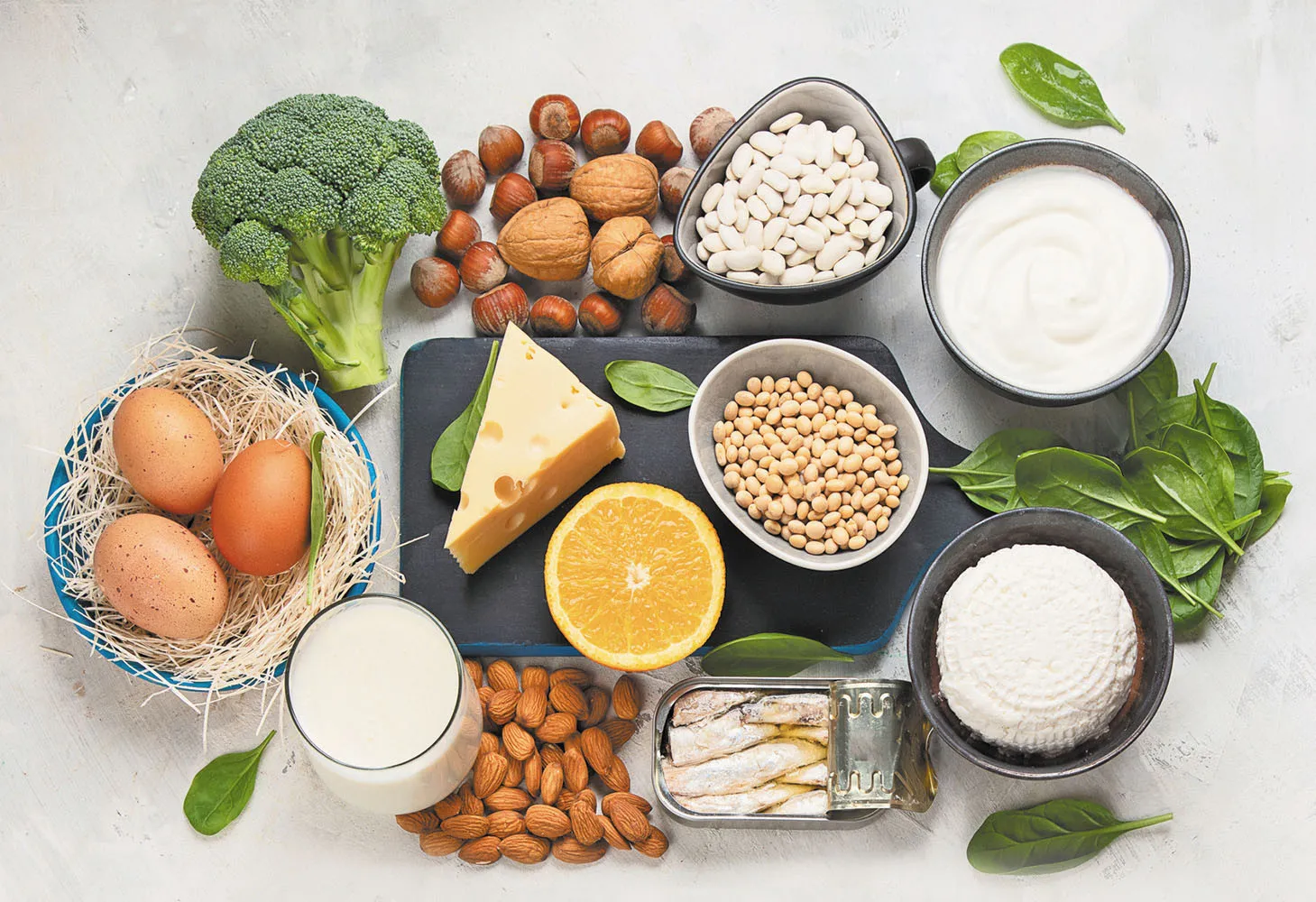
- Protein: It is the body's construction material, responsible for building muscles, repairing tissues, producing hormones, supporting immunity, maintaining skin, hair, and nails, along with creating enzymes required for digestion. Without adequate protein, the body struggles to recover, grow, and function efficiently.
- Calcium: Contrasting the general conception that calcium strengthens bones, its role extends much further. It helps with bone strength, tooth health, muscle contractions, nerve signaling, heart function, and blood clotting. A deficiency can gradually weaken the skeletal system and impact overall health.
- Vitamins: They are the invisible workforce, with each having to perform a different task,
- Vitamin A supports vision, immunity, and skin health.
- Vitamin B Complex is essential for energy production and brain function.
- Vitamin C supports collagen formation, immunity, and antioxidant protection.
- Vitamin D helps absorb calcium and supports bone health.
- Vitamin E protects cells from oxidative damage.
- Vitamin K is important for blood clotting and bone metabolism.
- Minerals and Trace Nutrients: Nutrients such as magnesium, zinc, iron, selenium, and potassium often receive less attention but are equally important, contributing to better sleep, energy production, immune support, gut health, heart function, and hormonal balance.
The reality is simple of it is health is never built on one nutrient alone. It is the combined effect of dozens of nutrients working together.
Why Are Supplements Becoming So Popular?
A few decades ago, most people met their nutritional needs through their complete main course meals. And today, the supplement industry is worth billions. Why? Well, the answer is a few reasons
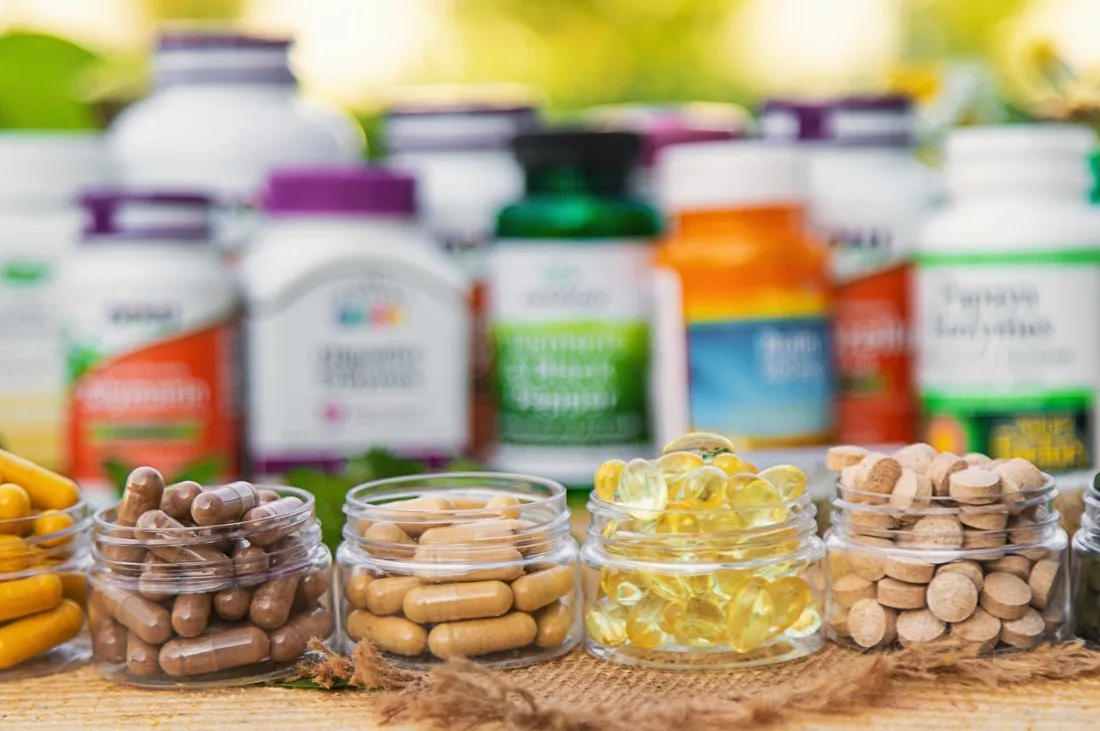
- The first would be modern lifestyles. Busy schedules leave little time for preparing balanced meals, and ready-made food has replaced them; here, food supplements offer convenience.
- Then the rise of gym culture has dramatically increased awareness about protein intake.
- One reason can be the social media influence; many fitness influencers frequently showcase protein powders, pre-workouts, and seem to mention collagen food supplements, fish oil supplements, or zinc supplements as essential tools for transformation.
- One major reason is dietary restrictions; vegetarians, vegans, and individuals with allergies often require the use of supplements to fill nutritional gaps.
- And a valid justification would be health awareness; people are increasingly proactive about preventing deficiencies rather than waiting for health problems to appear.
The Supplement Story: Ruling Regular Diet Today
Markets and pharmacies are filled with protein supplements for muscle gain, vitamin D supplements, vitamin B12 supplements, vitamin supplements, collagen food supplements, fish oil supplements, zinc supplements, lion's mane mushroom supplements, even vegan supplements and vegan protein. All created with a medical motive to reinforce deficiencies in the human body.
But with digitalization and marketing of these products, many are buying them just to achieve the benefits mentioned in advertisements. For instance, one of my friends has issues sleeping due to high stress, and after seeing the ads, she bought magnesium supplements. Well, it did improve her sleep cycle, but when she went to the doctor later for her yearly checkup, she got an earful about the constant use without medical recommendation and gave her alternative for only a specific period, instructing to improve her dietary chart.
What happens is a person becomes reliant on these add-ons rather than improving food habits, causing teh problem to prolong. So consuming supplements is okay, but with medical
The Protein Powder Revolution
Perhaps no supplement category has grown faster than protein supplements and powders. Originally designed for athletes, they are now consumed by office workers, students, older adults, and even teenagers. With protein information on the internet, many people are driven to achieve a certain amount of it, leading to demand for either high-protein, low-carb recipes for weight loss or protein supplements and powders.
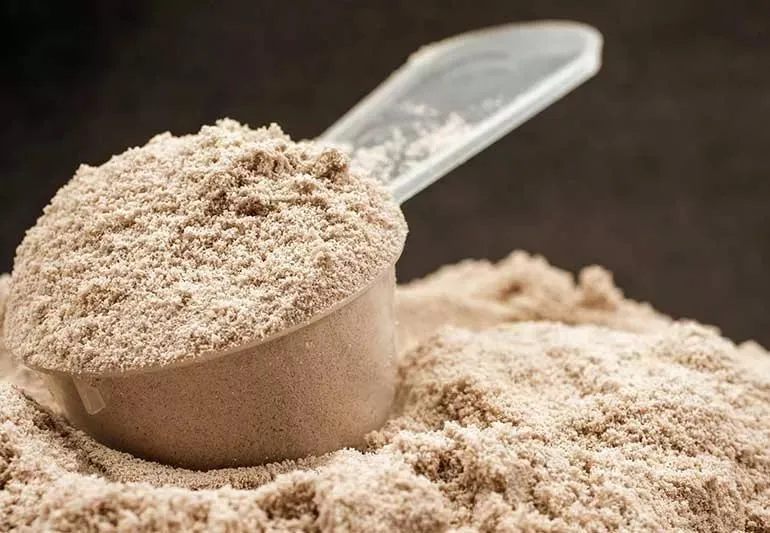
Protein Powder Benefits and Issues
- The popular varieties include Whey protein, Casein protein, Pea protein, Soy protein, Rice protei, Hemp protein.
- The estimated benefits of protein are that it helps meet daily protein requirements, supports muscle recovery, offers convenience after workouts, and assists people with increased protein needs.
- But it comes with a problem, that many consumers just assume more protein automatically means better health, which is not the complete truth
- Excessive protein intake may not provide additional benefits if dietary needs are already met.
- Moreover, some commercial products contain added sugars, artificial flavors, sweeteners, fillers, and emulsifiers. Not all protein powders are created equal.
- So the biggest issue with protein dietary supplements for muscle gain or loss is that people don't know the limit and assume it as a part of a meal.
Are Protein Bars Healthy?
Talking of Protein bars, they have become go-to snacks and are often marketed as healthy snacks. Well, some genuinely are. But others are little more than candy bars wearing fitness packaging.
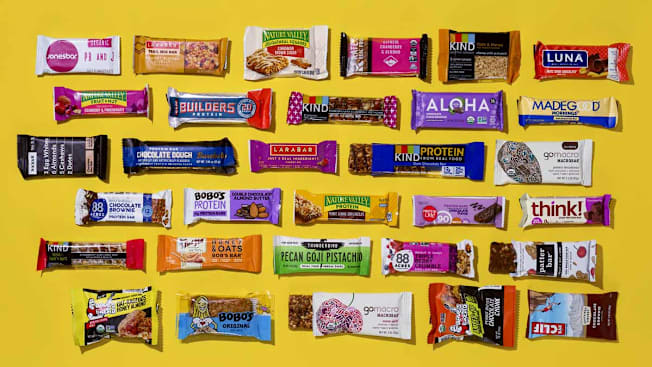
The issue is that a quality protein bar should ideally contain meaningful protein content, moderate sugar, fiber, and whole-food ingredients; but many bars contain long ingredient lists and highly processed components. My sister and I were big on these protein snacks with all the busy schedule we had previously, but once we put more thought into it and looked through the ingredients list, not all of those snacks were truely high of protien healthy snacks but rather sugar candy with protein components, which do little to nothing for health. Well, now with me into cooking, we make high-protein snacks at home and follow some simple and easy high-protein, low-carb recipes for weight loss in our meals.
Well, for many, these snacks would be absolutely convenient, but they are not superior to real food, at least not always. So if you need to find the right snacks or just elevate your meal ingredients rather than finding just protein powder.
Can Supplements Replace Food?
This is where many people go wrong, and that is concerning. Supplements are designed to supplement, and not to replace a healthy diet.
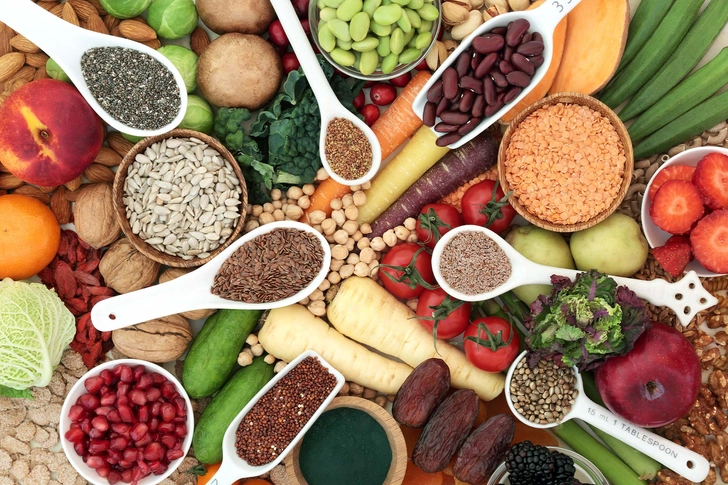
Food offers something supplements often cannot: nutrient synergy. When you eat spinach, lentils, vegetables, nuts, or fruits, you consume hundreds of compounds working together. Whereas most supplements isolate only a handful of nutrients. Supplements can fill in the immediate need to increase one particular nutrient or protein, but food remains the gold standard.
The Forgotten Indian Plants That Outperform Many Modern Superfoods
Long before protein powders and nutrient supplements arrived in shiny tubs, Indian kitchens relied on nutrient-rich plants that supported health naturally. Many of these traditional ingredients have been forgotten despite their impressive nutritional value.
Shevgyache Pane (Moringa Leaves)
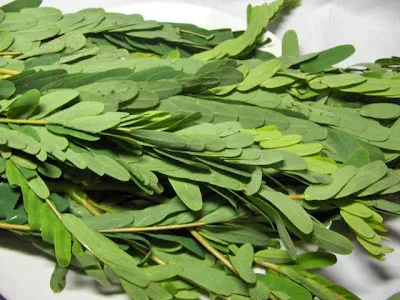
Moringa leaves are nutritional powerhouses; they have been rotating the internet as the "Miracle Tree," and even moringa leaf powder is becoming an increasingly popular product on sale.

They contain plant protein, Calcium, Iron, Potassium, Vitamin A, Vitamin C, and are also rich in antioxidants and fiber, supporting both immunity and gut health. Many came to know about it with the internet buzz, but at our home, this is included in traditional meals during the rainy season for occasions like Krishna Janmashtami or Shravan utsav. Traditional Maharashtrian households commonly prepared shevgyacha paala bhaji and added the leaves or the drumsticks to dals.
Shepu (Dill Leaves)
A staple in many traditional Maharashtrian kitchens, shepu is often overlooked today.

A leafy vegetable that provides digestive support, Fiber, Calcium, Iron, and Antioxidants. Its unique flavor pairs beautifully with lentils and contributes to gut-friendly meals; this is part of many monsoon vintage grandma’s recipes, aiding health and immunity with the change of season.
Agathi Leaves (Heta)
Popular in parts of South India, it is also known as agasti, hegada, or shevari. These leaves are packed with nutrients and are traditionally consumed to support digestion and overall wellness.
They provide plant protein, Calcium, Vitamin A, Folate, and Fiber. You would find these leaves in vegan protein supplements in brands that use pure plant-based products to create protein powders. People spend almost 1000 bucks on it, while a simple inclusion of Shevari sabzi in your main course meal once in a while would solve the problem.
Kulith Leaves (Horse Gram Greens)
Any Indian would list Horse gram is among most protein-rich legumes. But a few understand that its tender greens are equally nutritious and historically featured in rural diets.

With high protein, Iron, Calcium, Polyphenols, and Gut-supporting fiber, these greens remain highly underrated despite their nutritional density. Kulith is used in the form of flour to make pithala or bhakti, in the form of whole lentils to make curry, or leaves to make leafy vegetables.
Bathua (Chenopodium Album)
Before kale became fashionable, North Indian kitchens had bathua, called Chandanbatua in Maharastrain home.
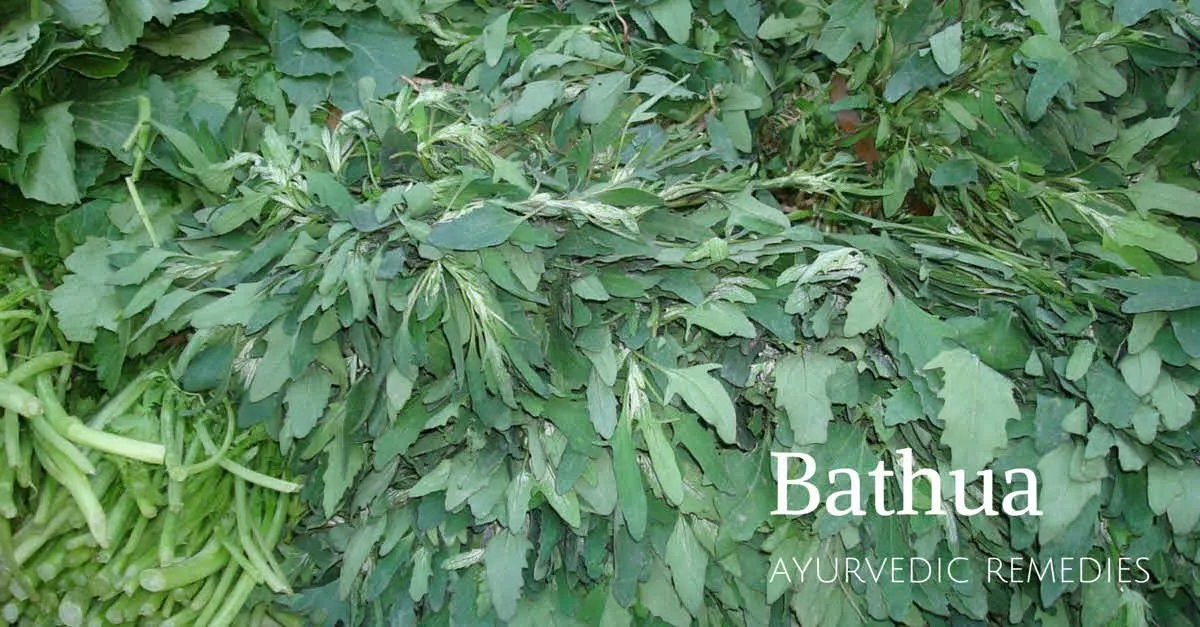
This winter green contains Protein, Iron, Calcium, Magnesium, and Fiber. In traditional classic vintage recipes added to rotis, parathas, and saag; in the north, this is prepared as a leafy green vegetable during winters in many eastern Indian kitchens. The bathua leaf supports digestion and overall nutrient intake.
What Can We Learn From Traditional Vintage Grandma’s Diets?
Our grandparents, parents, and I would be truthful; even I, until my young age, would rarely count protein grams. We didn't track macros or carry protein shakers. Yet many consumed highly diverse diets rich in legumes, seasonal vegetables, fermented foods, herbs, and whole grains.
We often had the classic vintage grandma’s recipes that were seasonally adept meals. The result was natural nutrient diversity and better gut health. It will lead to less dependence on packaged products and more connection with seasonal eating.
Frequently Asked Questions:
1. Is it really worth taking supplements?
Ans) Supplements can be beneficial when there is a diagnosed nutrient deficiency, increased nutritional need, or limited dietary intake. However, they are not substitutes for a balanced diet. Most healthy individuals should prioritize nutrient-rich foods first, using supplements only when recommended by healthcare professionals or specific health goals require them.
2. What are protein-rich foods to take instead of supplements?
Ans) Many whole foods provide excellent protein naturally, including eggs, lentils, chickpeas, kidney beans, milk, yogurt, paneer, fish, chicken, soybeans, tofu, nuts, and seeds. Traditional Indian foods like moong dal, horse gram, moringa leaves, and sprouted legumes offer protein along with fiber, vitamins, and minerals.
3. What are the best supplements to take?
Ans) The best supplements depend on individual needs, diet, age, and health status. Commonly recommended options include vitamin D, vitamin B12, omega-3 fatty acids, calcium, magnesium, and protein supplements when dietary intake is insufficient. Consulting a healthcare professional helps determine whether supplementation is necessary and appropriate.
The Future of Nutrition May Lie in the Past
Supplements certainly have their place. They can help correct deficiencies, support specific health goals, and offer convenience when life becomes hectic. But they should never become substitutes for real food; they are called supplements for a reason. True health is rarely found in a scoop or wrapper; sometimes it is hidden in ingredients our grandmothers used every day.
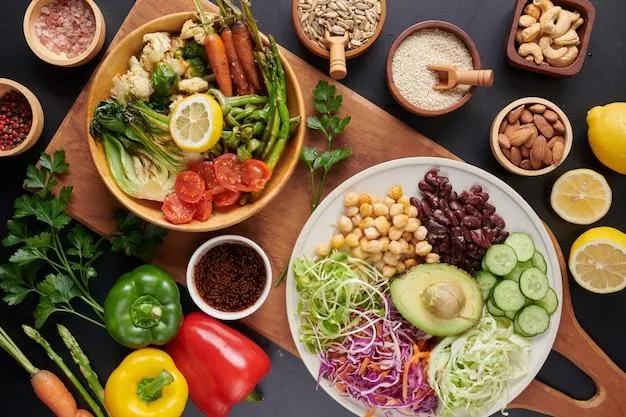
The future of wellness may not come from discovering a new superfood. It may come from rediscovering the ones that have been existing in our traditional kitchens for centuries. Because before there were supplements and protein bars, there were traditional cooking and vintage grandma’s recipes that nourished generations remarkably well.
So keep reading Recipesliving for more such recipes that will help you create nutrient-rich food for your main course meals, and prepare snacks that will nourish you.
By P. Manika (Performist Content Writer)